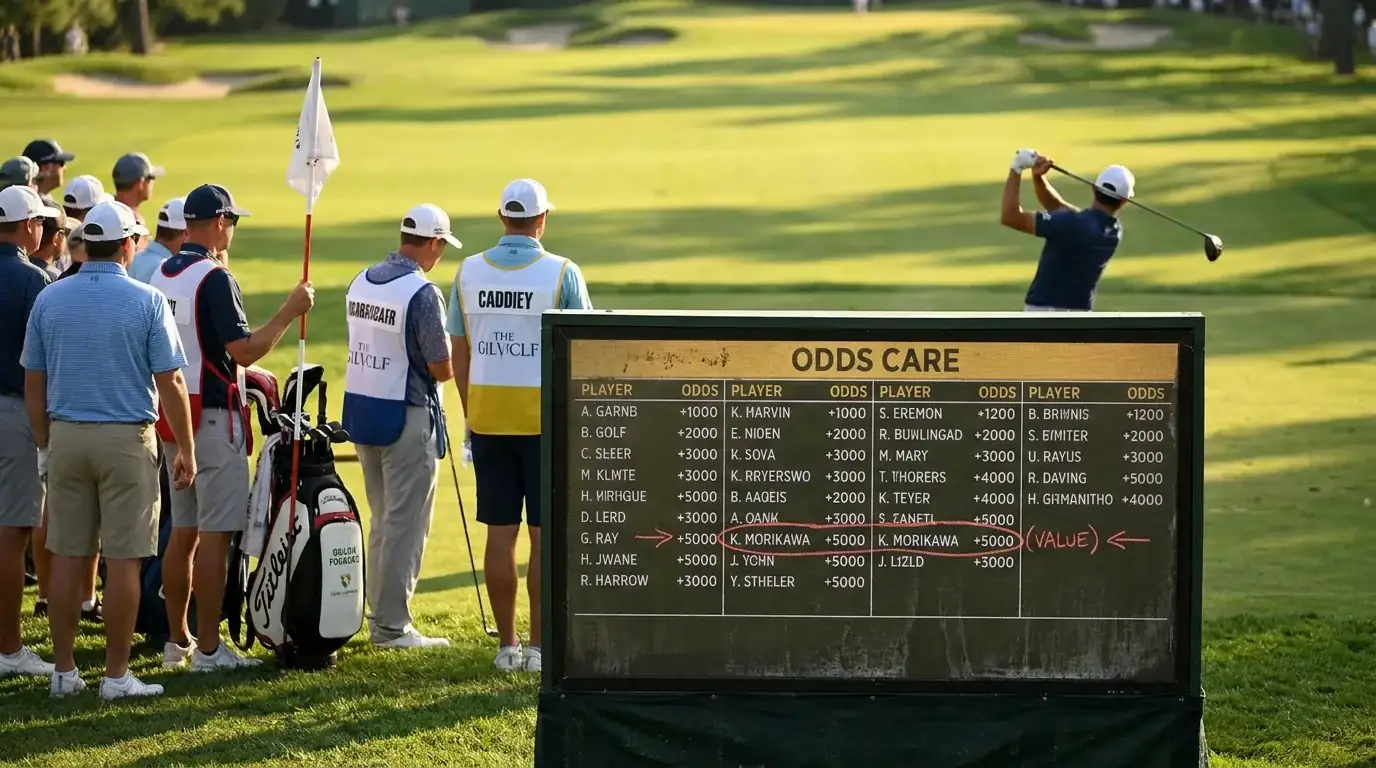
First Round Leader Golf Betting: FRL Odds, Wave Splits and Strategy
 Available in US
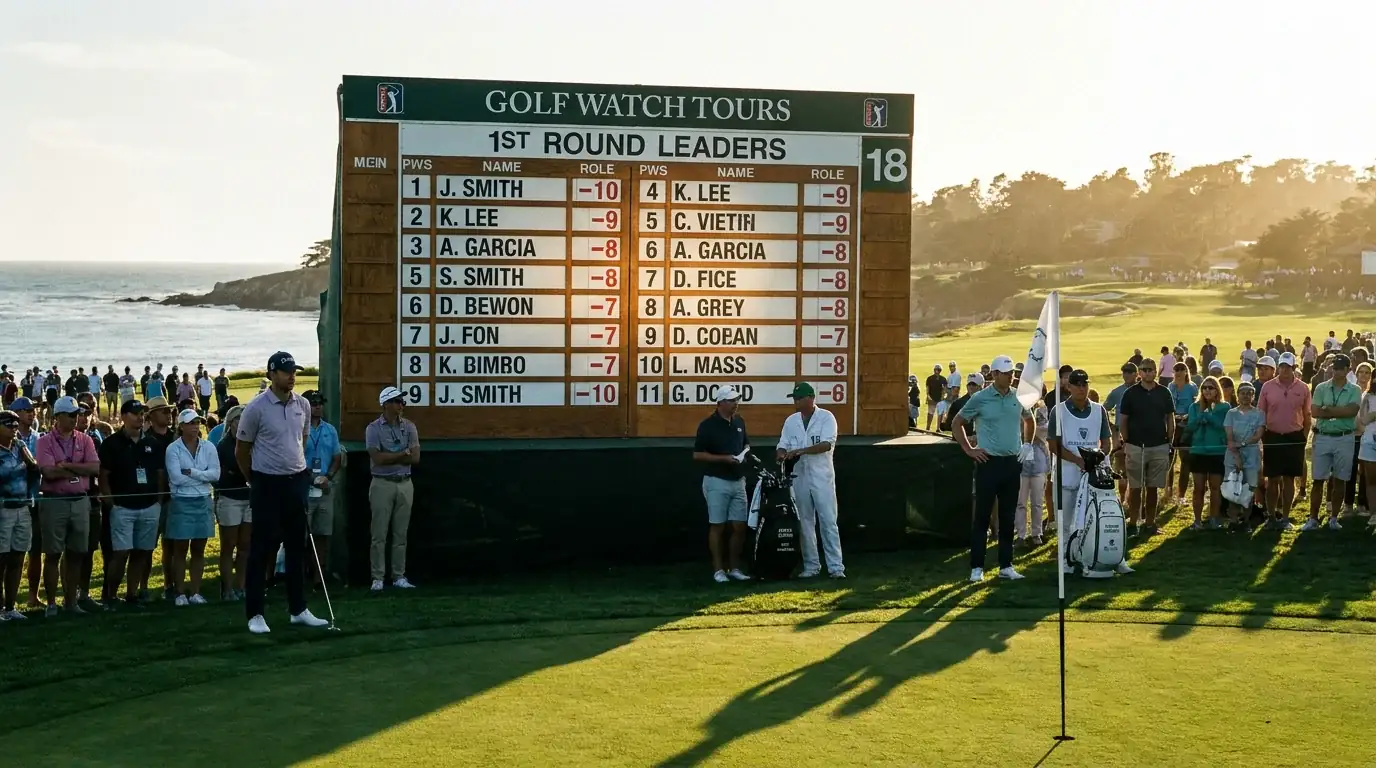
First Round Leader Golf Betting: The One-Day Market That Rewards Preparation
I placed my first FRL bet back in 2016 at a European Tour event in Scotland, and it was one of those bets where the research felt almost unfairly straightforward. The leader after round one was a player nobody had considered for the outright — but his R1 record at that course was absurdly good, and he had a dawn tee time before the wind arrived. That is the beauty of first round leader betting: it strips a four-day marathon into a single-day sprint, and preparation beats instinct almost every time.
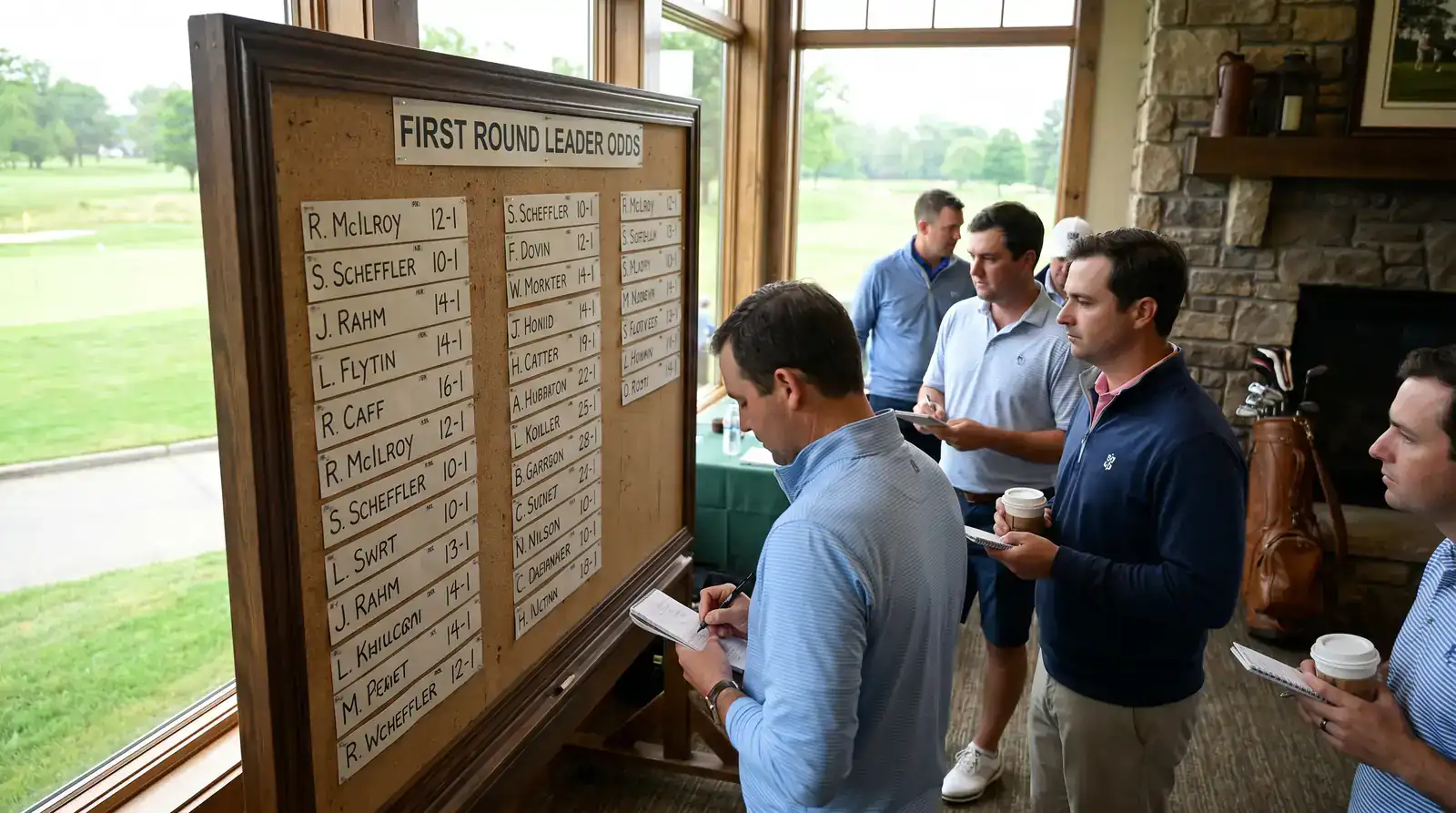
FRL betting is exactly what it sounds like — you are backing a player to hold the outright lead after the opening round. Not the tournament winner, not the top-10 finisher, just whoever sits atop the leaderboard when the last group walks off the 18th on Thursday. Fewer variables than an outright, certainly, but the market carries its own complexity. Tee-time wave splits, weather windows, afternoon wind, course firming — all of these shape the outcome in ways the outright market barely registers.
PGA Tour betting handle grew by 20% in 2025 — the fourth straight year of double-digit growth — and FRL markets have been a meaningful part of that expansion. Punters are drawn to the quick settlement, the one-day engagement, and the fact that you can do granular homework on R1 conditions in a way that feels actionable. If you enjoy data over gut feeling, this is your market.
How FRL Odds Are Set
Last summer I compared FRL odds across three UK operators for the same PGA Tour event. The variation was remarkable — nearly a full point of implied probability difference on the favourite — and that gap told me how much subjectivity goes into pricing these markets. FRL odds are not simply scaled-down outright prices. They reflect a different set of inputs entirely.

Current form matters, obviously, but the timeframe is compressed. Compilers focus heavily on a player’s recent R1 scoring averages rather than four-round finishing positions. A golfer who has opened with rounds of 65, 67, 64 across his last three starts might be mediocre in outrights but commands respect in FRL markets. Course history feeds into the price as well — not just overall performance but specifically first-round results at a particular venue. Some players consistently start fast at familiar courses and fade later. That pattern is gold for FRL bettors and a headache for outright backers.
Tee time is the variable that separates FRL pricing from every other golf market. A player drawn in the morning wave typically gets calmer conditions, softer greens, and less wind. That advantage is significant enough to shift odds by several ticks. I have seen players at identical outright prices sit 5-10 points apart in FRL markets purely because of their wave assignment. If you are not checking the tee sheet before placing an FRL bet, you are essentially ignoring the single most important piece of information available.
Tee-Time Wave Splits and Their Impact on FRL Odds
During the 2024 Open Championship at Royal Troon, the AM wave posted scoring averages nearly two shots lower than the PM group on day one. Two full shots. If you had backed any competent links player in the early wave, you were already at a structural advantage before a single putt dropped. That is the scale of impact wave splits can have on FRL outcomes.
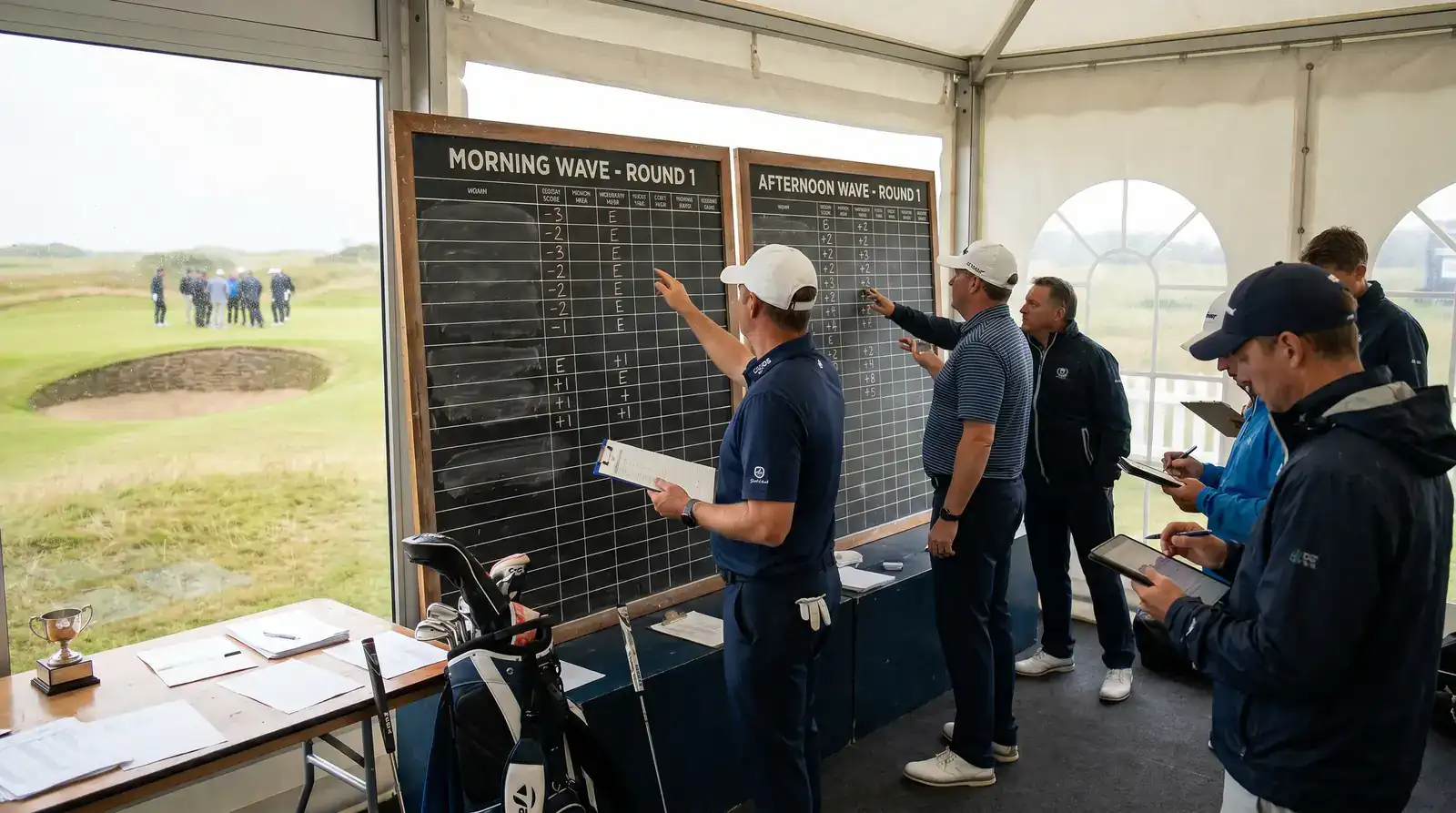
The mechanics are straightforward. Morning starters face greens that are still soft from overnight moisture and dew. Pin positions are fresh, meaning fewer spike marks and cleaner putting surfaces. Wind tends to be lighter in the early hours, particularly at coastal venues where sea breezes build through the afternoon. By the time the PM wave reaches the turn, conditions have often hardened — firmer fairways, dried-out greens, and gusting winds that turn par-4s into par-5s.
Not every event produces a dramatic wave split. Inland parkland courses in calm weather can yield near-identical conditions for both waves. But the potential is always there, and the FRL market prices it in unevenly. I track wave-split data for every tournament I bet, and the pattern is consistent: links courses and exposed venues produce the widest gaps, while sheltered parklands compress them. The PGA Tour’s expanded Betcast coverage — now spanning 12 tournaments and over 400 hours of broadcast in 2026 — means you can watch R1 conditions unfold in real time and adjust your assessment of which wave holds the advantage before committing to a bet.
Where this becomes tactically interesting is the impact of weather on golf betting odds. If a forecast shifts overnight — say, wind arriving two hours earlier than expected — the AM wave advantage shrinks or disappears, and FRL odds may not adjust quickly enough. That window is where informed bettors find edges.
In-Play Strategy for First Round Leader Bets
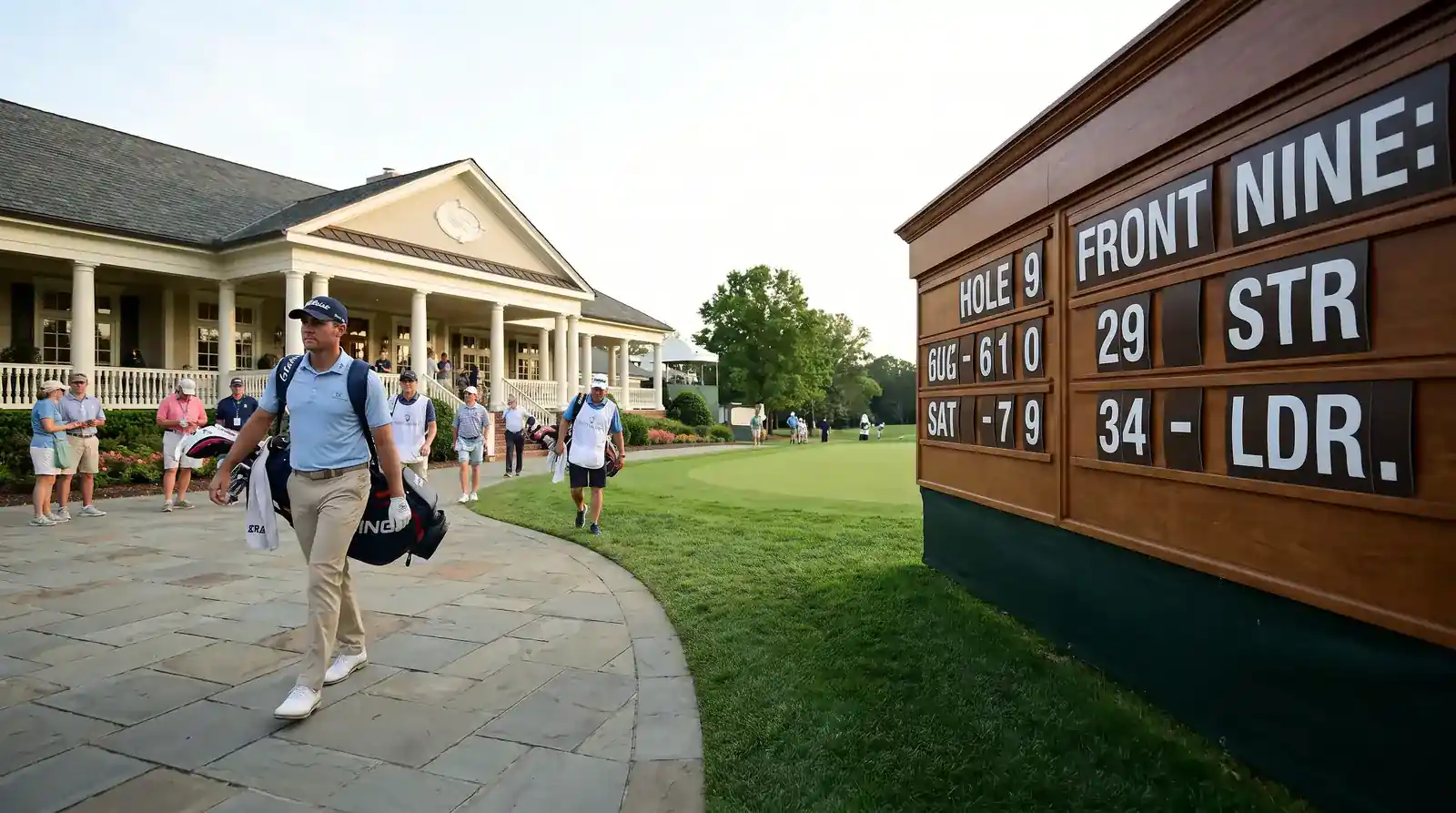
A friend of mine — a sharp golf bettor who tracks every market he touches — once told me that FRL in-play is the closest thing to “legal insider trading” in sports betting. He was exaggerating for effect, but the underlying point holds: once the first wave finishes and you can see the scoring pattern, you have information that pre-match FRL odds could not have anticipated.
The simplest in-play FRL approach is reactive. Watch the AM wave complete their rounds. If the scoring is low, the leader is already posted. Now you are assessing whether PM starters can match or beat that score under deteriorating conditions. If the answer is probably not, the AM leader at, say, 3/1 in-play might represent excellent value — he is already sitting in the clubhouse and the field has to come to him.
Hedging after nine holes is another approach I use regularly. If I have backed a player pre-round and he is leading through the turn, I will sometimes look to lay or cash out a portion of the bet. The back nine introduces more volatility — particularly on courses with water carries or driveable par-4s late in the round — and locking in partial profit reduces the sting if he drops a couple of shots coming home.
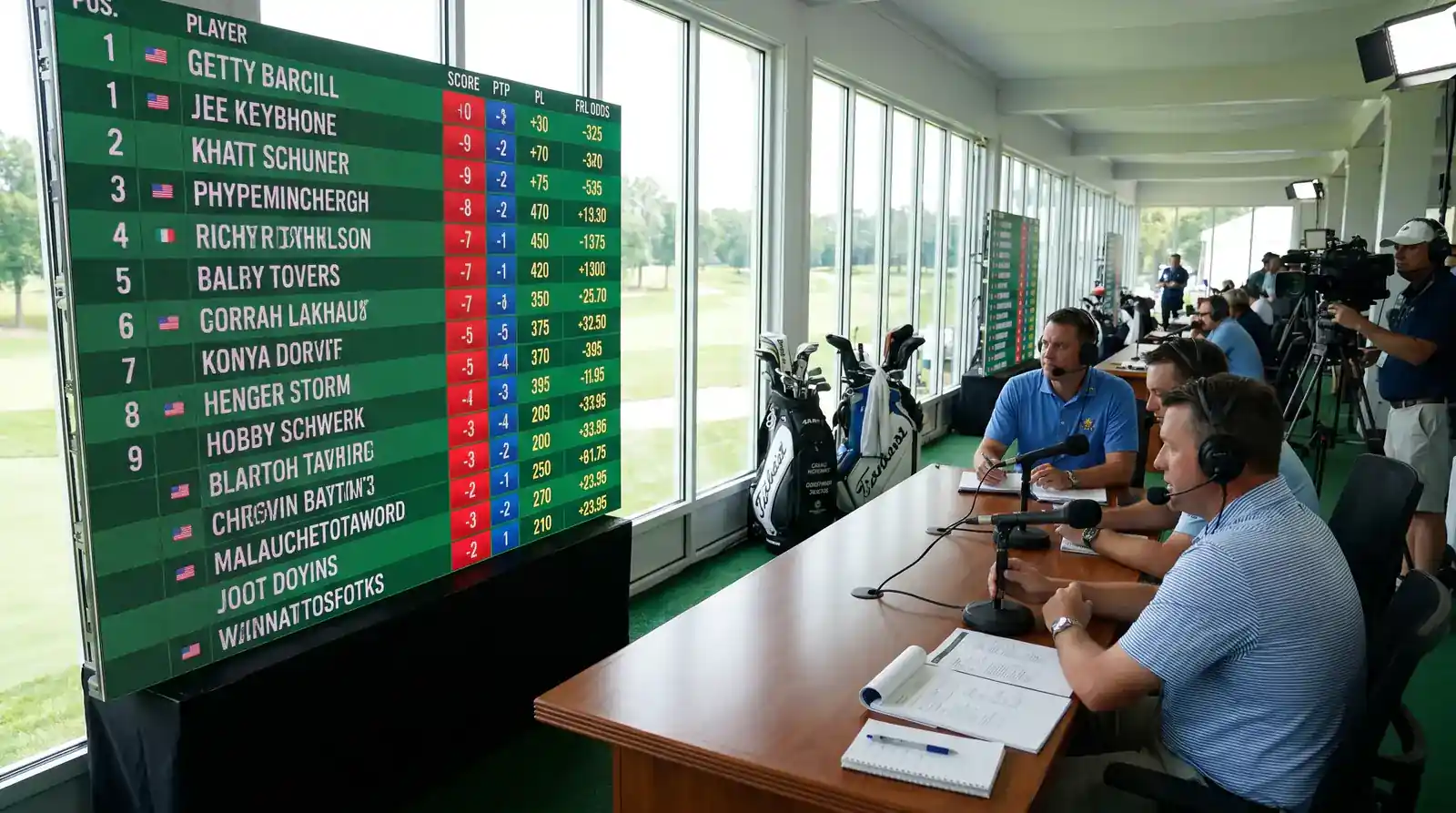
The critical discipline is patience. FRL in-play markets move fast but settle slowly. A player birdies three of his first five holes and his FRL odds collapse, but he has 13 holes remaining and the leader could emerge from anywhere. Chasing short-priced in-play FRL favourites after a hot start is one of the quickest ways to erode a bankroll. I would rather wait until the picture clarifies — ideally when at least half the field has finished — before committing in-play stakes.
Frequently Asked Questions
What happens to an FRL bet if two golfers tie after Round 1?
If two or more players share the lead after round one, dead heat rules apply. Your stake is divided by the number of tied players, and each portion is settled at full odds. So if three players tie, you receive one-third of your stake settled at the quoted price.
Can you place FRL bets in-play during the first round?
Yes, most UK bookmakers keep FRL markets open throughout the first round. Odds update as scores come in, and you can back players mid-round or even after the early wave has finished. In-play FRL betting is one of the most tactically rewarding live golf markets because you can react to actual scoring conditions.
FRL Betting Sits at the Intersection of Data and Timing
First round leader betting rewards the kind of punter who enjoys preparation more than prediction. The variables are knowable — form, course history, wave assignment, weather — and the one-day settlement means you are not sweating through 72 holes of variance. Every FRL bet I place starts with the tee sheet and ends with a weather check, and the gap between those two data points usually tells me whether the market is priced right or whether there is room to exploit. If you approach FRL with discipline and patience, it is one of the most satisfying markets in golf betting.
Published by the Live Golf Betting team.