Dead Heat Rules in Golf Betting: How Tied Positions Affect Your Payout
 Available in US
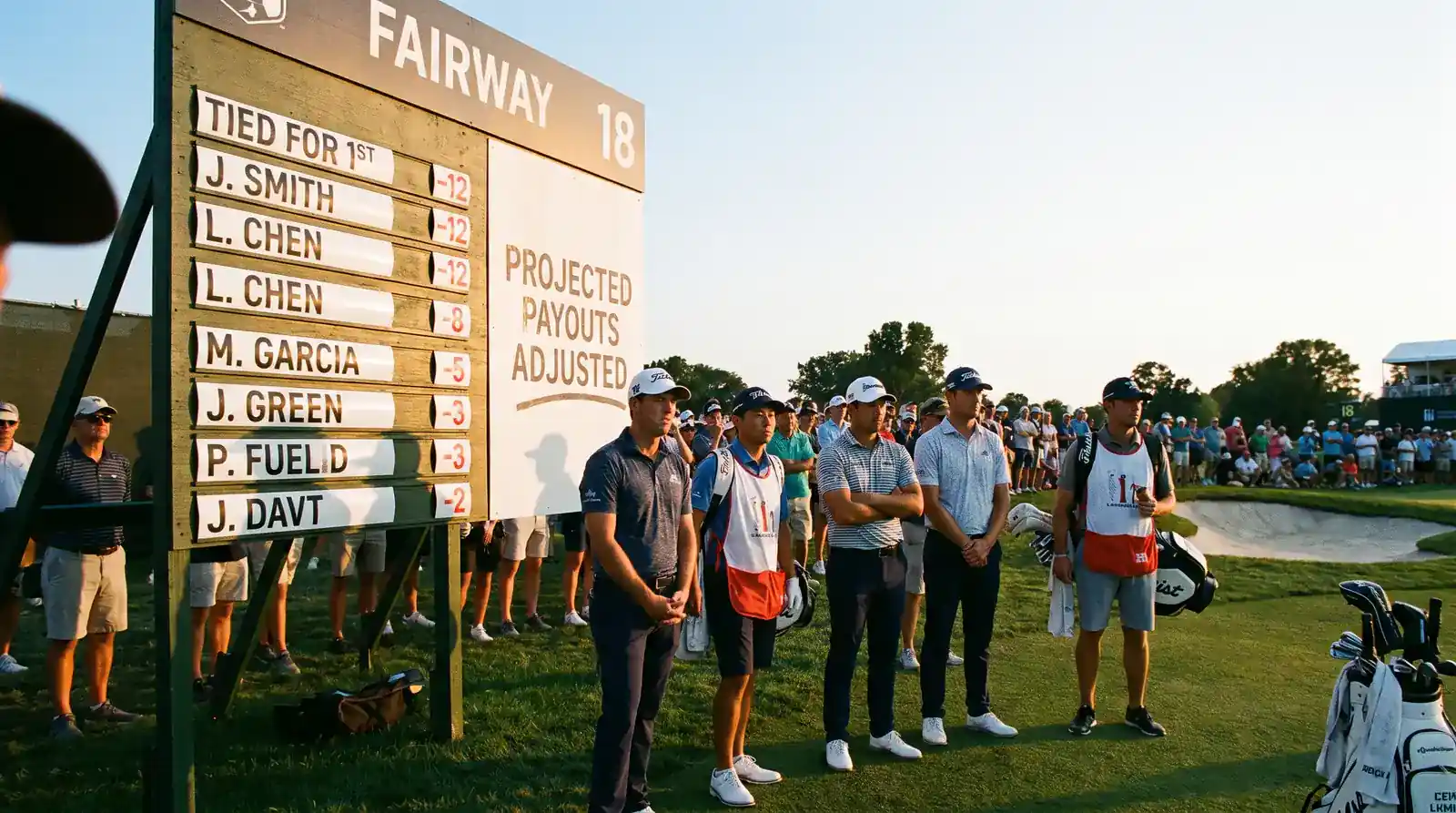
Dead Heat Rules in Golf Betting: What Happens When Players Tie
The first time a dead heat cost me money, I did not understand what had happened. I had backed a player each-way at a PGA Tour event, and he finished tied for seventh with two other players. The each-way terms paid eight places, so I assumed my place bet was a straightforward winner. Then the settlement came through at roughly a third of what I expected. A quick search revealed the dead heat rule — a concept I had somehow missed across three years of active golf betting. That gap in my knowledge had been quietly eroding my returns for longer than I care to admit.
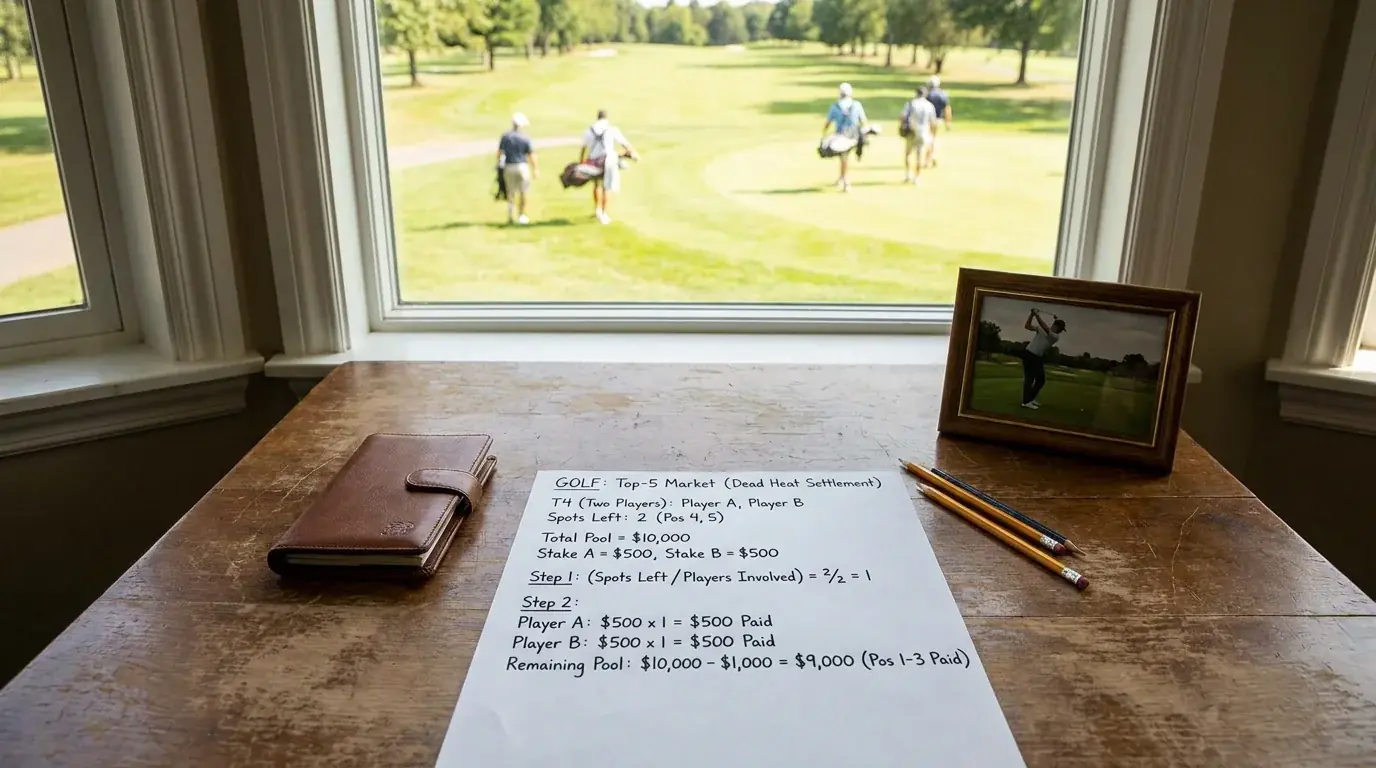
Dead heats occur when two or more players share the same finishing position, and in golf they are remarkably common. Unlike tennis or football, where results are decisive, golf tournaments frequently produce ties across the leaderboard — particularly at the boundaries that matter for place and top-finish bets. Large fields, identical scoring conditions across groups, and the absence of playoffs for non-winning positions mean that ties at fifth, eighth, 10th, and 20th are not edge cases. They are routine. Nearly half of UK adults participate in some form of gambling, and a significant number of those who bet on golf encounter dead heats without fully understanding the settlement mechanics. The result is a payout that feels like an error but is, in fact, the correct application of a rule that has been standard in bookmaking for decades.
The Dead Heat Settlement Formula
The formula is not complicated, but working through it step by step matters because the intuitive expectation (“my player finished in a paying position, so I should get full odds”) is wrong.
Dead heat settlement works as follows: your stake is divided by the number of players who share the relevant positions, and each portion is then settled at full odds. If three players tie for 5th place in a top-5 market, only one “spot” is available at 5th for settlement purposes. Your stake is divided by three, and one-third of your stake is settled at the full quoted odds. The remaining two-thirds of your stake is returned as a losing portion — effectively, you lose two-thirds of your bet.
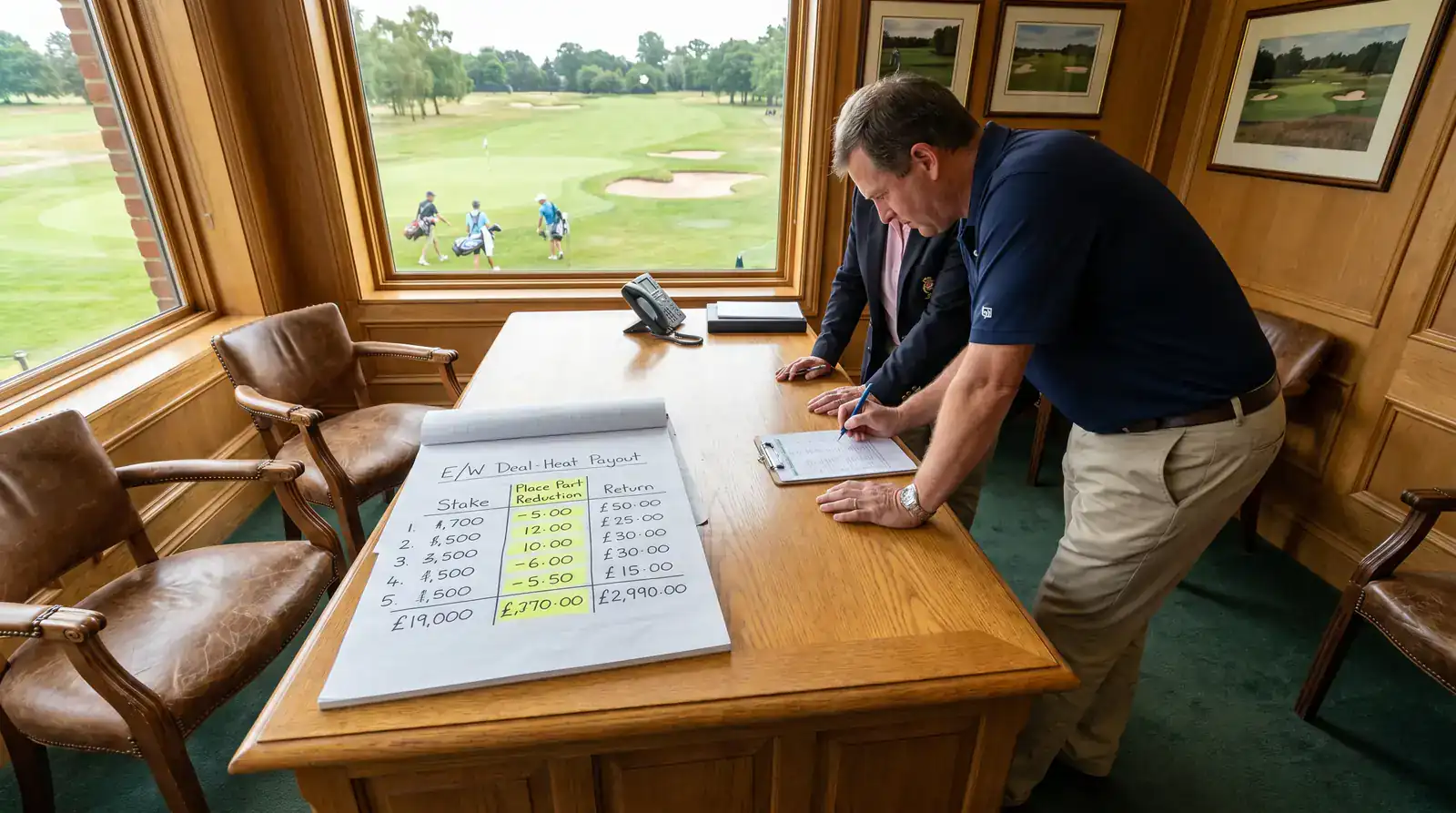
A concrete example: you place a £30 bet on a player to finish in the top 5 at odds of 4/1. He finishes tied for 5th with two other players — three players sharing one available top-5 position. Your £30 stake is divided into three equal portions of £10. One portion (£10) is settled at 4/1, returning £50 (£10 stake plus £40 profit). The other two portions (£20) are treated as losing bets. Your total return is £50 on a £30 stake — a profit of £20 instead of the £120 profit you would have received without a dead heat.
The reduction intensifies as more players share the tied position. If five players tie for 5th in the same scenario, your £30 is divided into five portions of £6. One portion settles at 4/1 for a return of £30. You have broken even on a bet you “won.” If six or more players tie, you actually lose money on a bet where your player finished inside the top 5. That outcome is disorienting until you understand the mechanics, and it explains why experienced golf bettors factor dead heat probability into every top-finish bet they place.
Dead Heats in Each-Way Golf Bets
Each-way bets have their own dead heat dynamics, and they can be even more confusing because the dead heat may affect only the place part of the bet while the win part settles normally — or vice versa, though that scenario is extremely rare.
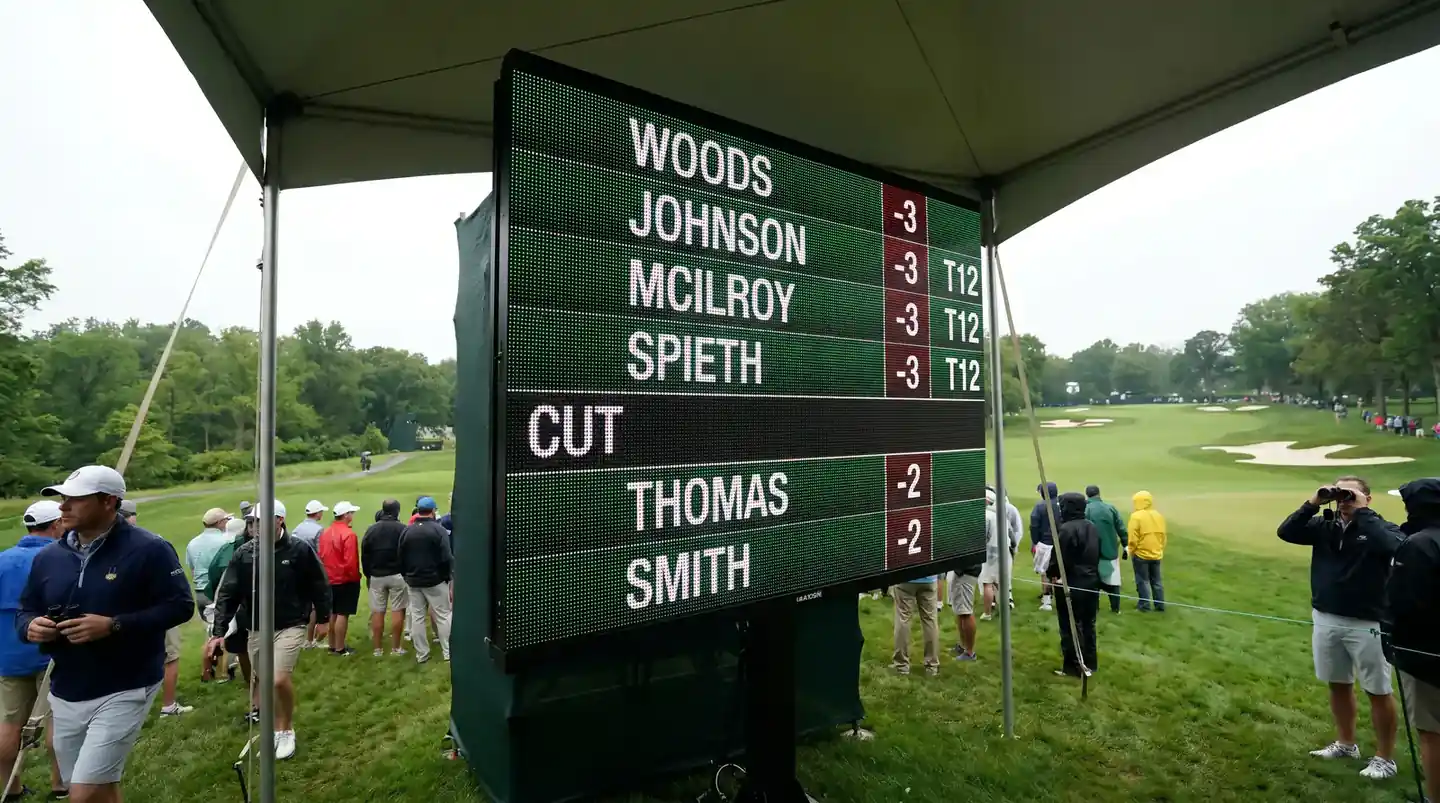
Consider a standard each-way bet at a major championship: £10 each-way (£20 total stake) at 40/1, with each-way terms of 8 places at 1/5 odds. If your player finishes tied for 7th with three other players, the win part of the bet loses (he did not win the tournament). The place part is where the dead heat applies. Four players share positions 7th and 8th — but only two places (7th and 8th) are available within the eight paying positions. So you have four players sharing two spots.
The dead heat fraction is 2/4, or 1/2. Your £10 place stake is multiplied by 1/2, giving an effective place stake of £5. That £5 is settled at the place odds: 40/1 divided by 5 = 8/1. The return is £5 × 8/1 = £40 plus the £5 effective stake = £45. But you staked £20 total (£10 win plus £10 place), so your profit is £25 — compared to £90 without the dead heat. The reduction is significant, and it illustrates why dead heats in each-way markets are the single largest source of unexpected payout reductions in golf betting.
Golf betting contributes 1.2% of UK gross gaming revenue and has grown by over 30% since 2021. Each-way betting is the most popular format within that market, and dead heats are an inherent feature of each-way settlement in a sport where tied finishing positions are the norm rather than the exception. Understanding the maths before you place the bet prevents the frustration of a settlement that looks wrong but is actually correct.
Minimising Dead Heat Risk in Your Bets
You cannot eliminate dead heat risk in golf — the structure of the sport guarantees ties — but you can make decisions that reduce its impact on your expected returns.
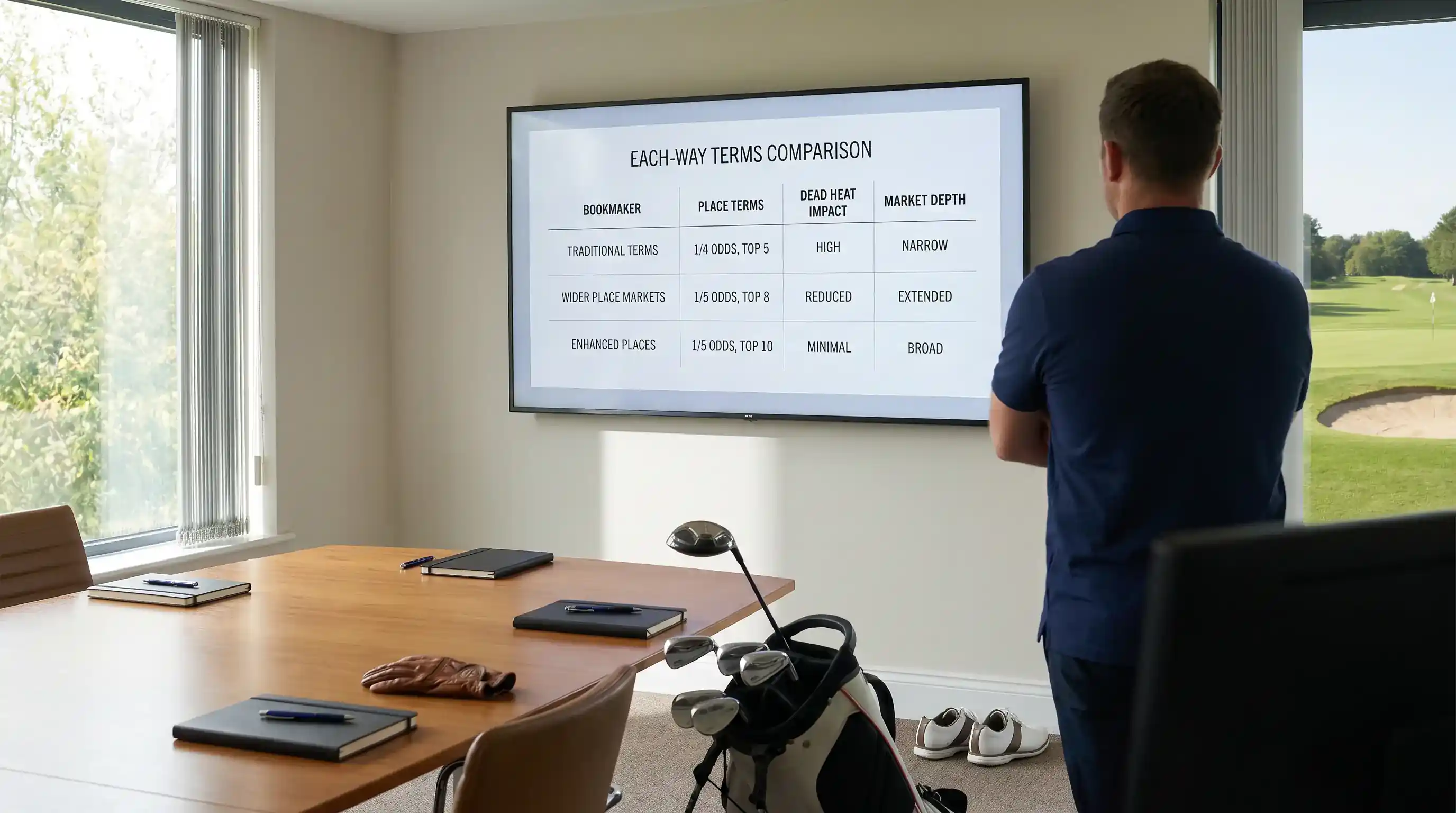
Choosing markets with wider place terms helps. Each-way bets paying 10 places produce fewer dead heats at the boundary than bets paying 5 places, simply because there are more positions absorbing tied players. Some operators offer enhanced place terms during major championships — 10 places instead of 8, for instance — and that extension meaningfully reduces the probability of a dead heat affecting your payout.
Avoiding crowded leaderboard positions is a tactical adjustment you can make in-play. If the leaderboard after 54 holes shows eight players within one shot of the top-10 boundary, the dead heat probability for a top-10 bet is high. Backing a player who is comfortably inside the top 10 — say, sitting 5th with a three-shot gap to 11th — carries far less dead heat risk than backing a player sitting 9th in a cluster. The price will reflect that relative safety to some degree, but not always fully, because bookmakers price top-finish markets on finishing probability rather than dead heat-adjusted expected payout.
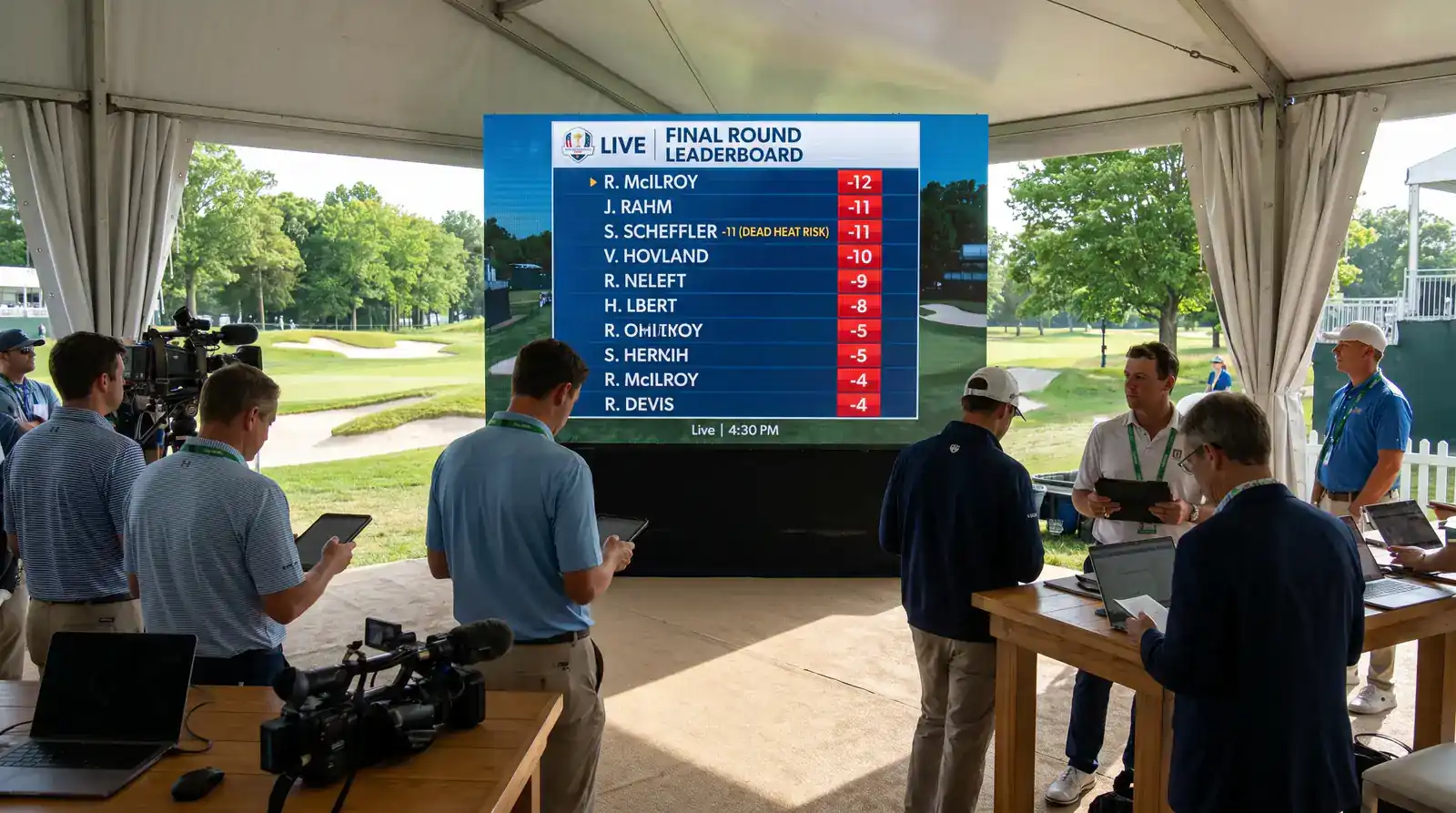
In-play entry timing matters. Early in a tournament, the leaderboard is compressed and ties are everywhere. By Sunday morning, gaps have usually opened and the dead heat probability at key boundaries is lower. Placing top-finish bets on Sunday rather than Thursday reduces dead heat exposure without necessarily sacrificing much in odds — the market has priced in the additional information, but the dead heat adjustment is often underweighted.
One approach I use: when evaluating a top-finish bet, I estimate not just the probability of finishing inside the line but the expected number of players tied at the boundary. If I expect three or more players tied at the cutoff position, I discount the expected value of the bet by the dead heat fraction and compare the adjusted EV to the quoted odds. If the bet still holds value after the adjustment, I take it. If not, I pass — regardless of how good the unadjusted price looks.
Frequently Asked Questions
Can a dead heat occur in an outright winner golf market?
In theory, yes — if two players tie for first and a playoff determines the winner, the outright market settles on the playoff result, so no dead heat applies. However, if a tournament uses a different format where co-winners are declared without a playoff, dead heat rules would apply to outright bets. In practice, virtually all professional golf tournaments use playoffs, so outright dead heats are extremely rare.
How do dead heats affect accumulator payouts in golf?
If one leg of an accumulator is affected by a dead heat, the dead heat reduction applies to that leg and the reduced return carries through to the subsequent legs. This can significantly reduce the overall accumulator payout even if all other legs win at full odds. The compounding effect makes dead heat risk particularly impactful in golf accumulators.
Dead Heats Are the Hidden Cost of Golf Betting
I call dead heats a hidden cost because they do not appear in the odds and they are not reflected in the headline price. A top-10 bet at 3/1 looks the same whether the eventual settlement involves zero tied players or five. But the expected payout differs dramatically depending on the dead heat scenario, and in a sport where ties at leaderboard boundaries are almost guaranteed, ignoring that difference is equivalent to systematically overpaying for your bets. Factor it in. Adjust your expected value calculations. Choose your entry points with the cluster in mind. It is a small discipline, but over a season of golf betting it protects more profit than most people realise.
Published by the Live Golf Betting team.