Top 5, Top 10 and Top 20 Golf Betting: Finish Position Markets Explained
 Available in US
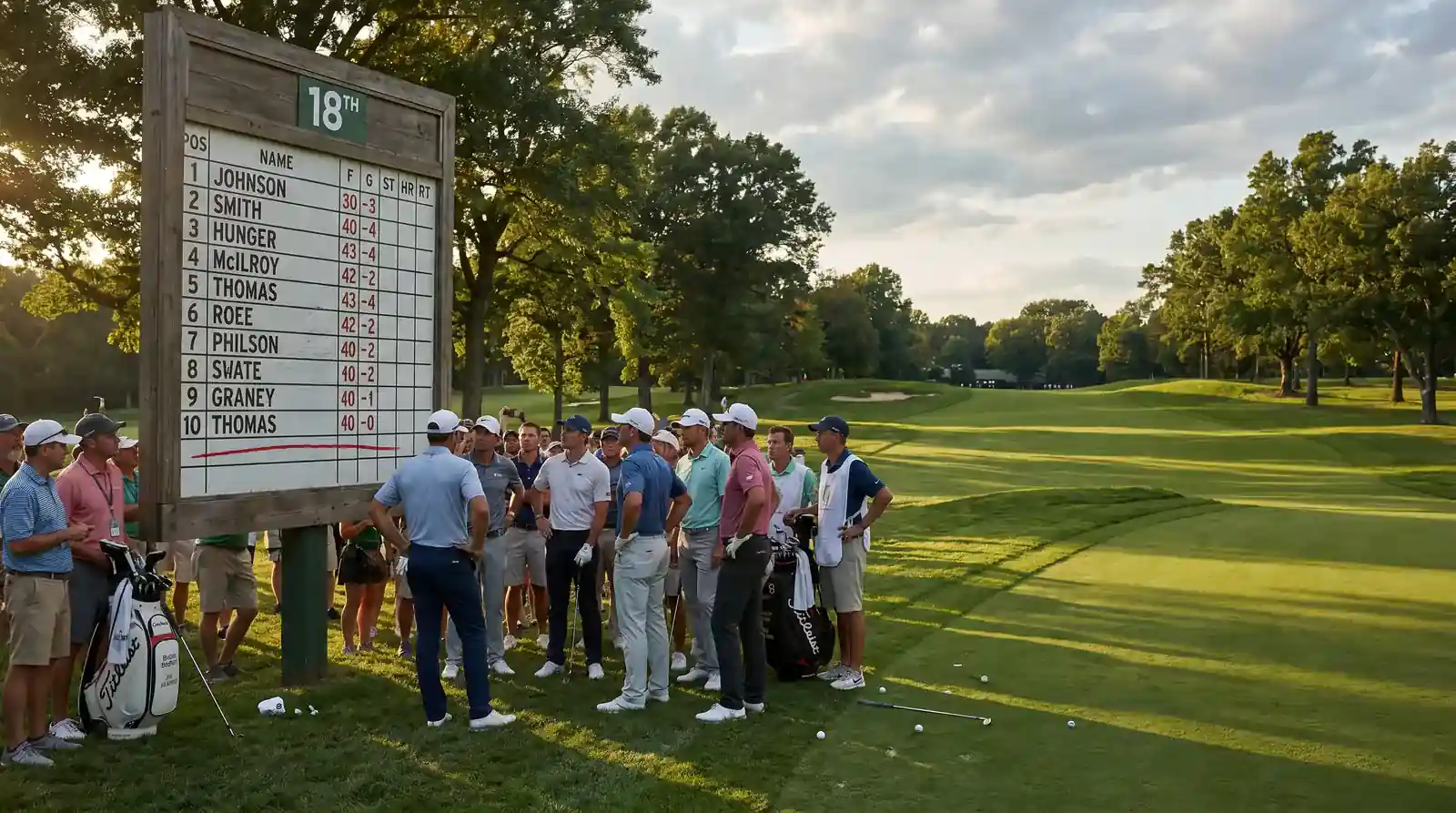
Top Finish Golf Betting: Position Markets Beyond Each-Way
There was a PGA Tour event in early 2024 where I had a strong conviction on a particular player but could not justify the outright price. He was around 40/1 to win, and I had him closer to 25/1 in my own ratings — decent value, but the field was deep and variance was high. Then I looked at his top-10 price: 7/2. Given his ball-striking form and the course profile, I had him finishing inside the top ten roughly 35% of the time. That is a bet, not a gamble, and it illustrates why top-finish markets exist as a distinct category rather than a sideshow to outrights and each-way.
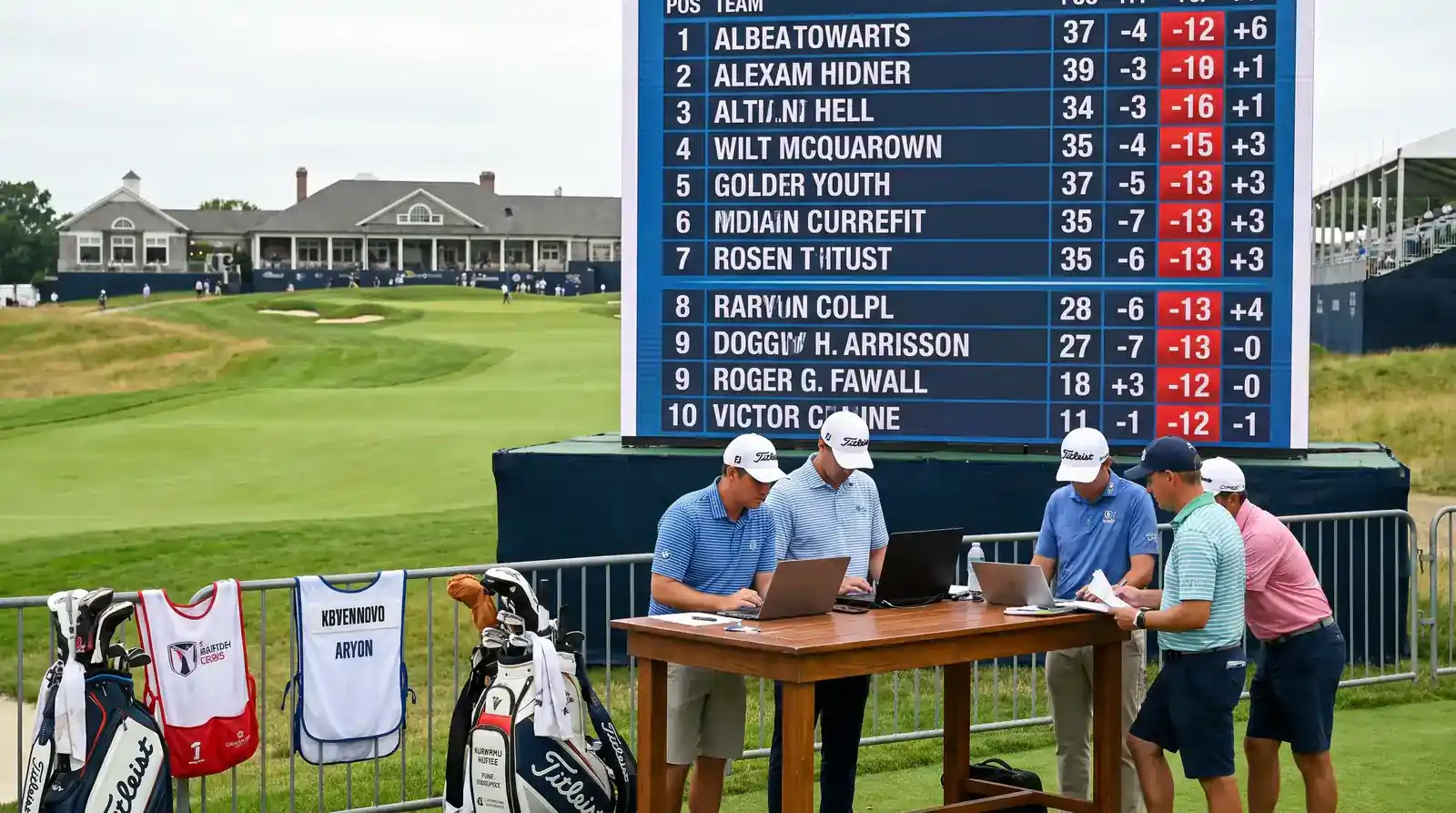
Top 5, top 10, and top 20 are standalone markets that settle purely on finishing position. They carry no win component — unlike the place part of an each-way bet, which is tethered to the win leg and subject to fractional odds. Top-finish markets are priced independently, and that independence creates pricing dynamics that differ meaningfully from each-way terms. Golf betting’s share of UK gross gaming revenue has grown by over 30% compared to 2021, and position markets have been a quiet contributor to that expansion. They appeal to punters who want more probability of a return without surrendering to the tiny implied win probability of an outright longshot.
How Top 5, Top 10 and Top 20 Markets Work
I remember being confused the first time I saw a top-5 market alongside each-way terms that paid five places. The settlement is different, and that difference matters more than most people realise.
A top-5 bet wins if your player finishes in positions one through five. Simple enough. But settlement when players tie on the boundary introduces the dead heat rule — and in golf, ties at the cutoff position are extremely common. If three players share fifth place in a top-5 market, dead heat rules apply and your payout is reduced proportionally. Each-way bets have their own dead heat mechanics, but the key distinction is that a top-5 market is a single bet on a single outcome, while each-way splits into a win leg and a place leg with separate settlement.
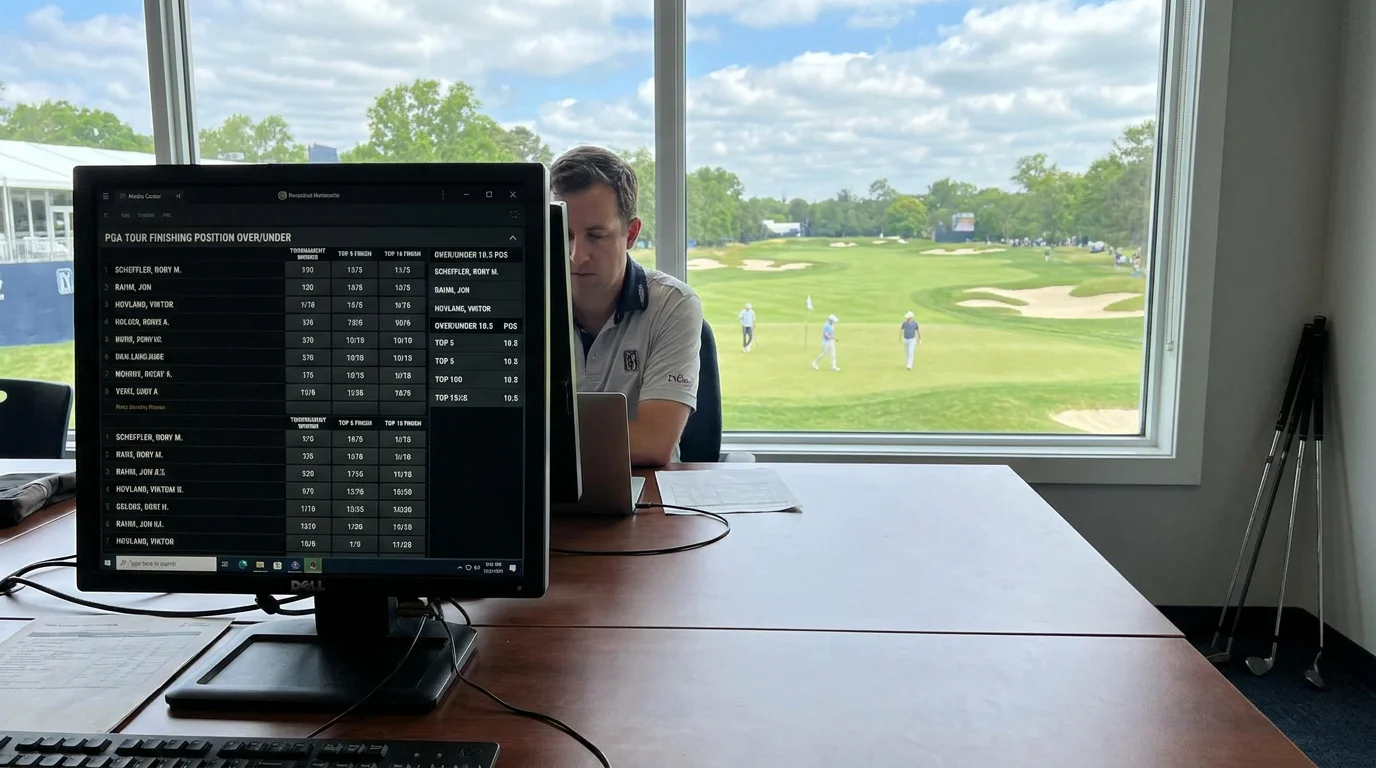
Odds compress as the position widens. A top-5 quote might sit at 5/1, the same player’s top-10 price at 2/1, and his top-20 at 4/6. The wider the net, the shorter the price — and the more likely you encounter dead heats at the boundary. I generally find the sharpest value in top-10 markets. Top-5 tends to be thinly traded and heavily vigourised, while top-20 is often priced so short that the margin eats into any edge. Top 10 sits in a sweet spot where the probability is estimable, the odds offer reasonable returns, and the market attracts enough volume to keep pricing honest.
Settlement timing is worth noting: top-finish markets settle on the official final leaderboard after 72 holes (or 54 if a round is cancelled). If a player withdraws mid-tournament, he is typically settled as a non-finisher and the bet loses — though individual operator rules can vary.
Finishing Position Over/Under
The first time I saw a finishing position over/under market, I thought it was gimmicky. Then I started tracking how it moved in-play and realised it was one of the most elegant live golf bets available.
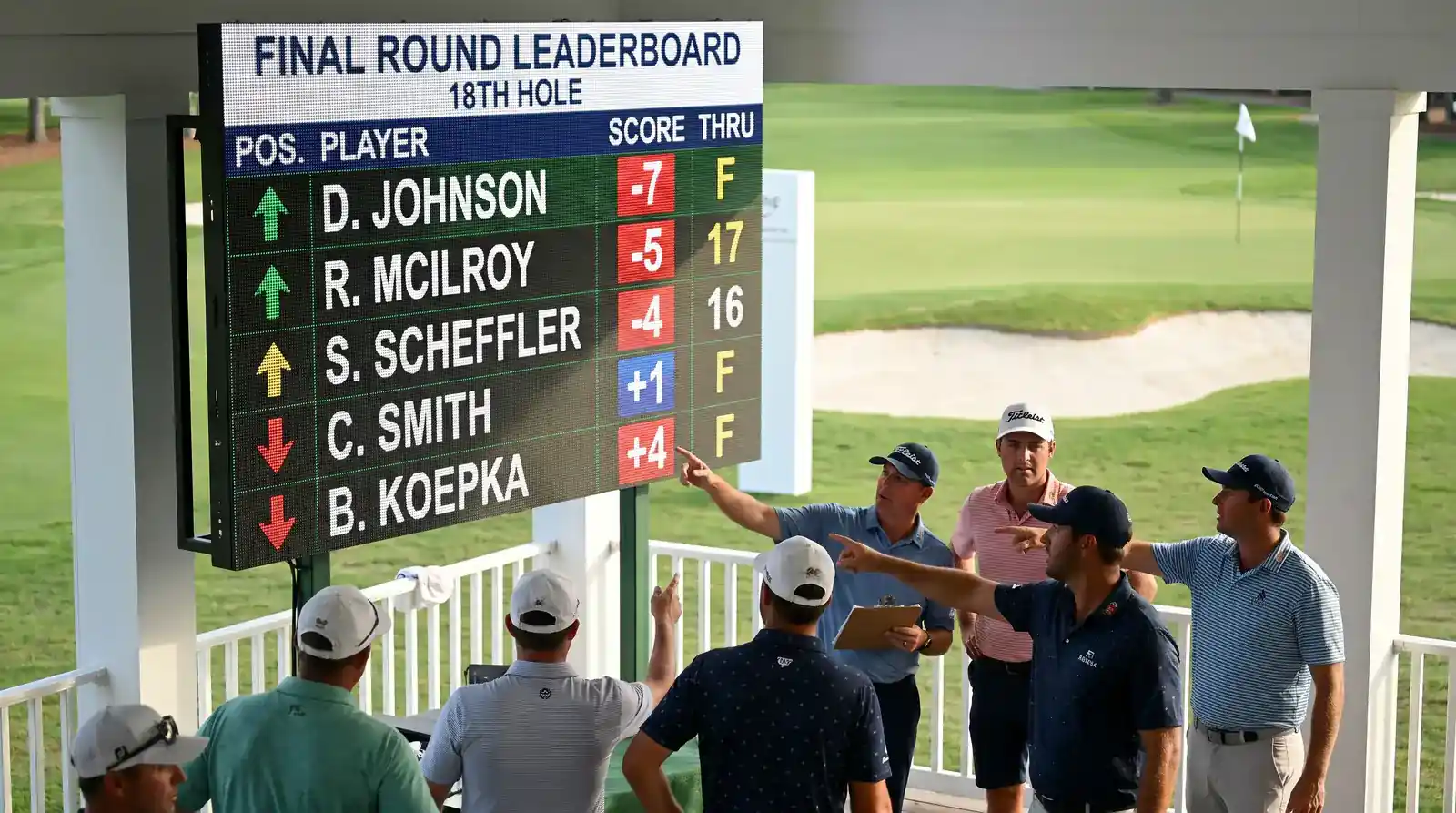
The format is simple: a bookmaker sets a line — say, finishing position over/under 15.5 — and you bet whether a player will finish inside or outside that boundary. Under 15.5 means you need a top-15 finish. Over 15.5 means 16th or worse. The attraction is granularity. Instead of choosing between top 5, top 10, or top 20, you can target a specific slice of the leaderboard that matches your assessment of a player’s ability at that event.
In-play, this market becomes particularly dynamic. Live and in-play betting is now the leading category globally in sports wagering, and position over/under is one of the formats driving that growth in golf. When a player is sitting 12th after 54 holes and needs a decent Sunday to finish inside the top 15, the over/under 15.5 line captures that tension perfectly. You are not betting on a win or a vague “good finish” — you are betting on a precise boundary with real-time data feeding into the probability.
I use finishing position over/under most often on Sunday mornings when the leaderboard has taken shape and I can assess the likely range of outcomes for a specific player based on his current standing and the scoring conditions.

Finding In-Play Value in Top Finish Markets
Saturday afternoon at a major — the player I have backed for a top-10 finish is sitting 14th after three rounds. The outright market has moved on to the leaders, and the top-10 prices have adjusted, but not aggressively. This is where the value lives.
Top-finish markets in-play are less efficiently priced than outrights. Bookmaker algorithms prioritise outright and match-up markets because those attract the highest volume, which means top-10 and top-20 lines sometimes lag behind the actual leaderboard situation. A player who is currently 11th with 18 holes to play might still be offered at 6/4 for a top-10 finish when, in reality, a single birdie could move him inside the line. That lag — between what the leaderboard shows and what the market prices — is where experienced punters extract profit.
Sunday volatility amplifies the opportunity. Final-round scoring patterns are different from earlier rounds: pin positions are tucked, greens are firmer after three days of foot traffic, and the pressure of the occasion pushes scoring wider apart. Players clustered around a top-10 boundary on Saturday night will spread out on Sunday, and if you have a view on which direction a specific player is heading, the top-finish market is the cleanest way to express that opinion.

One tactical note — I avoid backing top-finish markets in-play when the leaderboard is heavily bunched. If 15 players are within two shots of the top-10 cutoff, the dead heat risk spikes and the potential payout reduction undermines the value of the price. I prefer situations where clear gaps have formed and my player needs a modest push to cross the line, or is comfortably inside it with a reasonable buffer.
Frequently Asked Questions
Are dead heat rules applied in top 5 or top 10 golf markets?
Yes. If multiple players tie on the boundary position — for example, three players share fifth place in a top-5 market — dead heat rules reduce your payout proportionally. Your stake is divided by the number of tied players sharing the relevant positions, and each portion settles at full odds.
Can you bet on top finish markets in-play during the final round?
Most UK bookmakers keep top-finish markets open throughout the final round. In-play top-10 and top-20 betting on Sunday is one of the sharpest live golf markets available because the leaderboard is largely established and the remaining variance is relatively contained.
Position Markets Reward Precision Over Prediction
Top-finish golf betting is the market for punters who think in probabilities rather than predictions. You do not need to pick a winner — you need to assess whether a player will finish inside a defined boundary, and the data to make that assessment is more accessible than ever. I return to these markets week after week because they sit at the intersection of estimable probability and reasonable pricing, and in a sport as volatile as golf, that combination is rare. The edge is patience: wait for the leaderboard to reveal its shape, identify where the market is slow to adjust, and bet the boundary.
Created by the ”Live Golf Betting” editorial team.