Golf Hole-by-Hole Betting: Wagering One Green at a Time
 Available in US
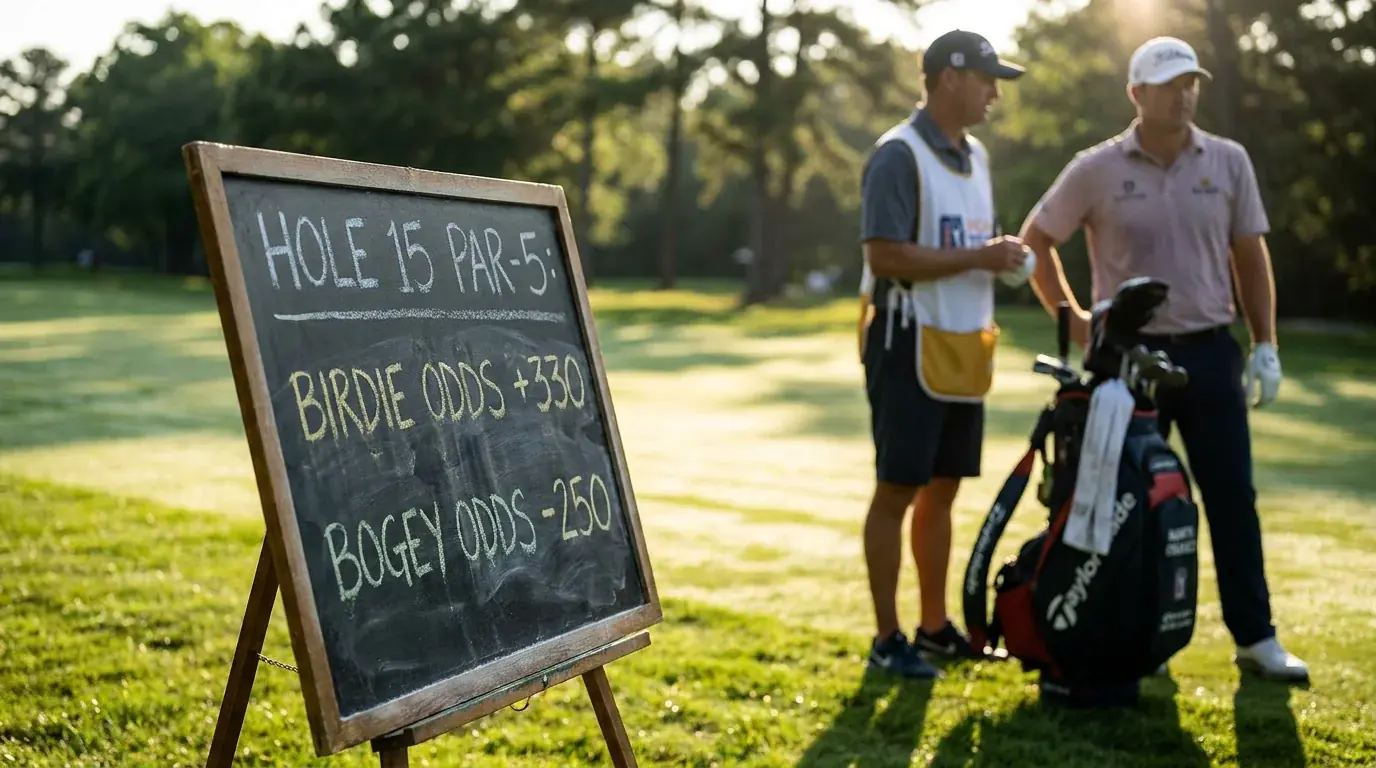
Golf Hole-by-Hole Betting: Wagering One Green at a Time
There is a specific moment during a live round that hooked me on hole-by-hole betting. It was the 2019 Open at Royal Portrush, the 16th hole, a 236-yard par-3 with the wind gusting sideways off the Atlantic. I watched the bookmaker’s birdie line for that hole sitting at 7/1 on a player I knew was lethal with a long iron in crosswinds. He stuffed it to four feet and converted. That single hole paid better than most outright bets I had placed that week.
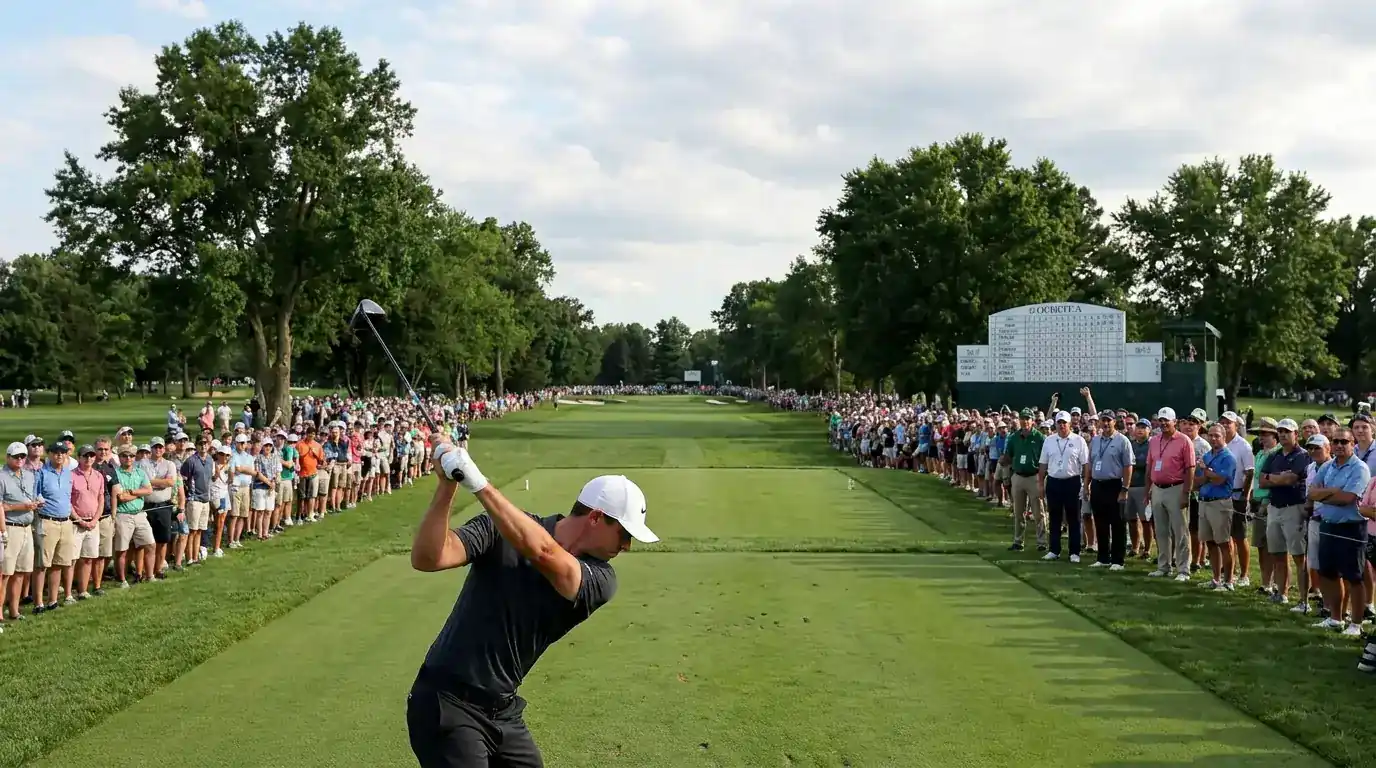
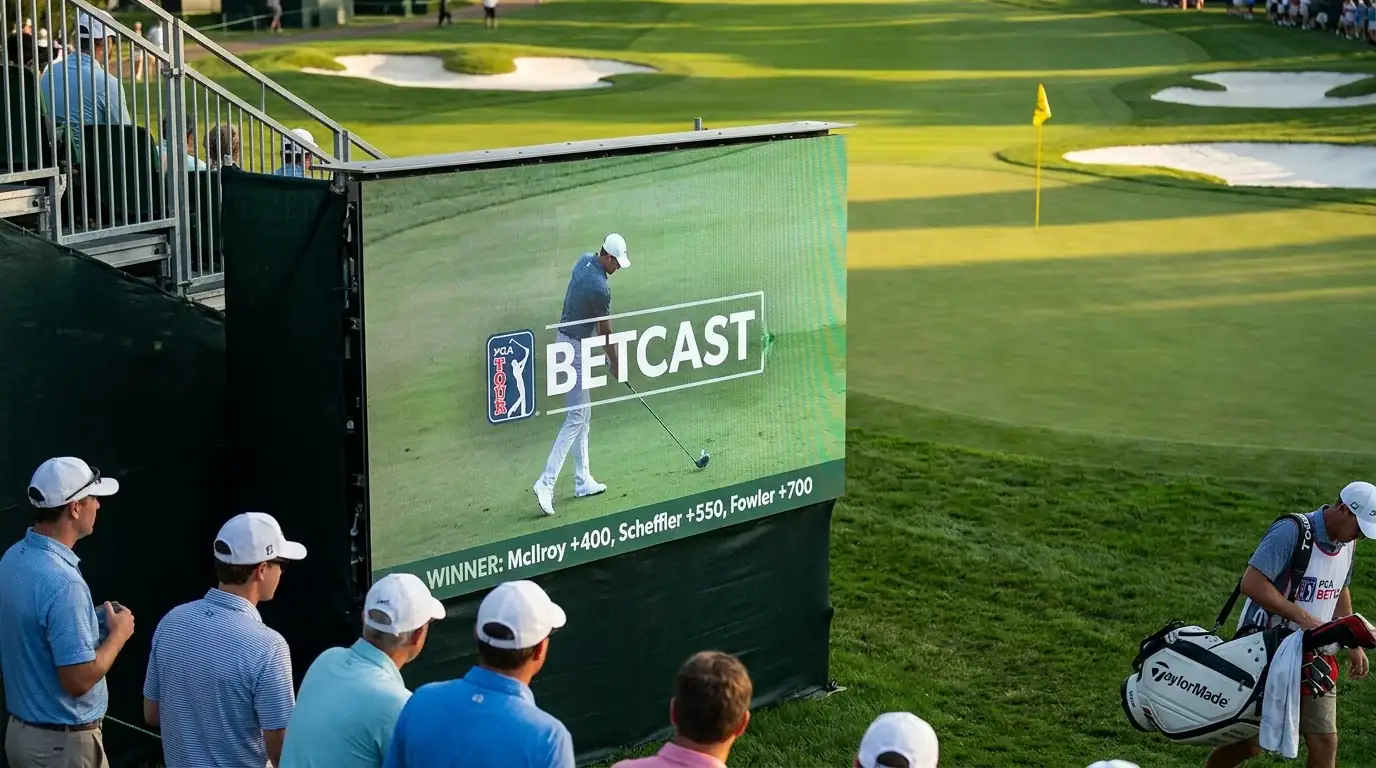
Hole-by-hole betting strips golf down to its smallest competitive unit. Instead of wagering on who wins the tournament, or who leads after a round, you are betting on the outcome of a single hole for a specific player. Will they make birdie? Will they bogey? Will they score over or under par? The market opens as the player approaches the tee and closes once the hole is complete — sometimes in under 15 minutes. The PGA Tour Betcast expansion from 6 tournaments to 12 in 2026, delivering over 400 hours of live betting coverage, has pushed hole-level content deeper into mainstream broadcasts. That means more data on screen, more markets available, and more granularity for punters who do their homework.
What You Can Bet on Each Hole
Walk into any UK bookmaker’s in-play golf section during a PGA Tour Signature Event and you will find several distinct markets at the hole level. Not all of them are available at every operator or for every tournament, but the range has expanded dramatically over the past two years.
The birdie/no-birdie market is the simplest and most widely offered. You are betting on whether a named player will make birdie on a specific hole. The price reflects both the player’s ability and the hole’s difficulty — a par-5 with a reachable green in two will price birdie much shorter than a 240-yard par-3 into wind. No-birdie is the other side, and it is usually the odds-on favourite even for elite players, because birdie rates on most holes sit between 10% and 30%.
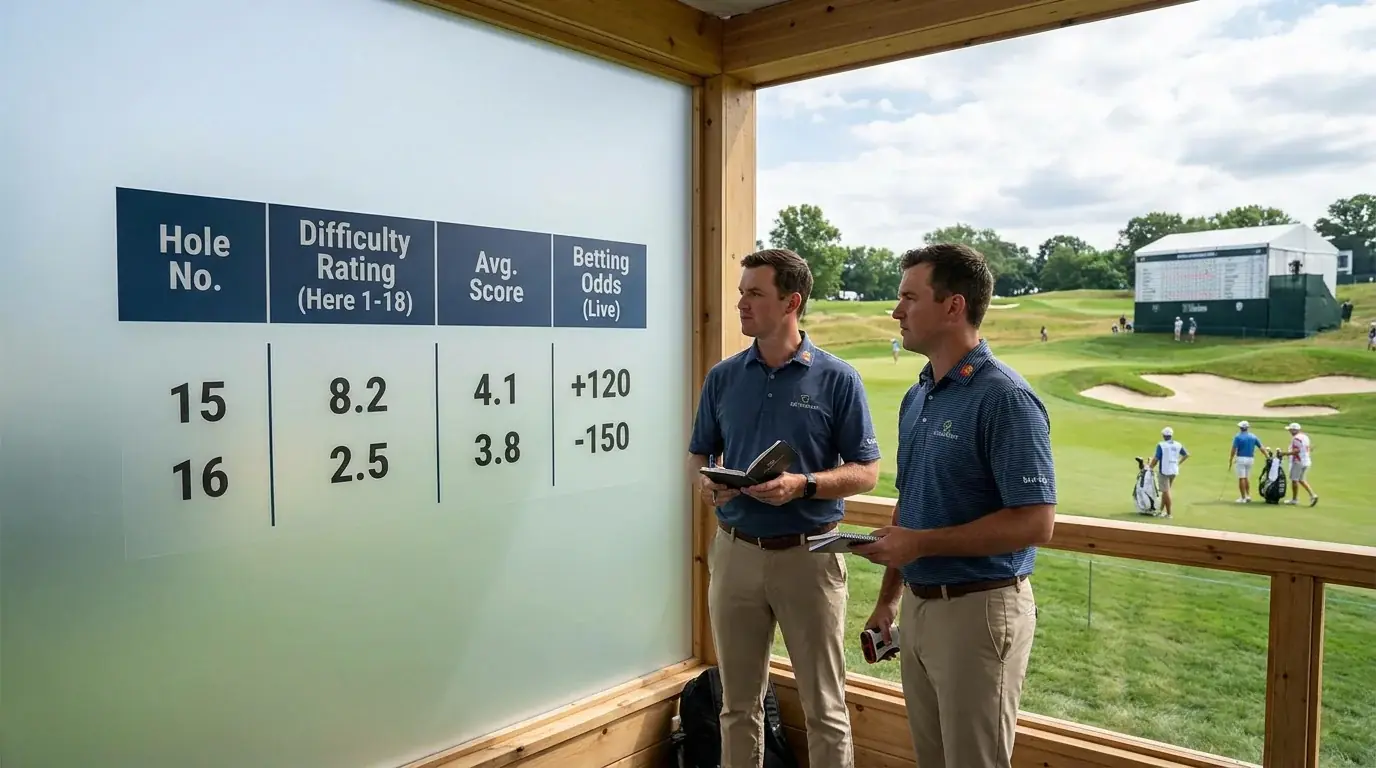
Over/under par markets set the line at par for the hole and ask whether the player will beat it, match it, or go over. This is effectively a three-way market: under par (birdie or better), exactly par, and over par (bogey or worse). Some bookmakers simplify it into a two-way under/over, with par counting as a push or being assigned to one side.
Bogey-or-worse is the mirror image of the birdie market. You are backing the player to drop at least one shot on the hole. On the toughest holes at a US Open setup, bogey rates can exceed 40%, which makes this market surprisingly competitive. I have found some of my best-value bets in bogey markets on holes where the course setup punishes specific weaknesses — a narrow driving hole against a player who struggles with accuracy off the tee, for instance.
Hole winner markets operate within a playing group. If three players are in the same tee-time pairing, you can back one of them to post the lowest score on a specific hole, with a tie/dead heat option if two or more match. This is essentially a micro head-to-head, resolved in minutes rather than hours.
Choosing the Right Holes to Bet On
Not every hole is worth your attention. I learned this the hard way by scattergunning bets across an entire round and watching my bank erode on a parade of pars. The key is selectivity — identifying holes where the variance is highest and where your edge is sharpest.
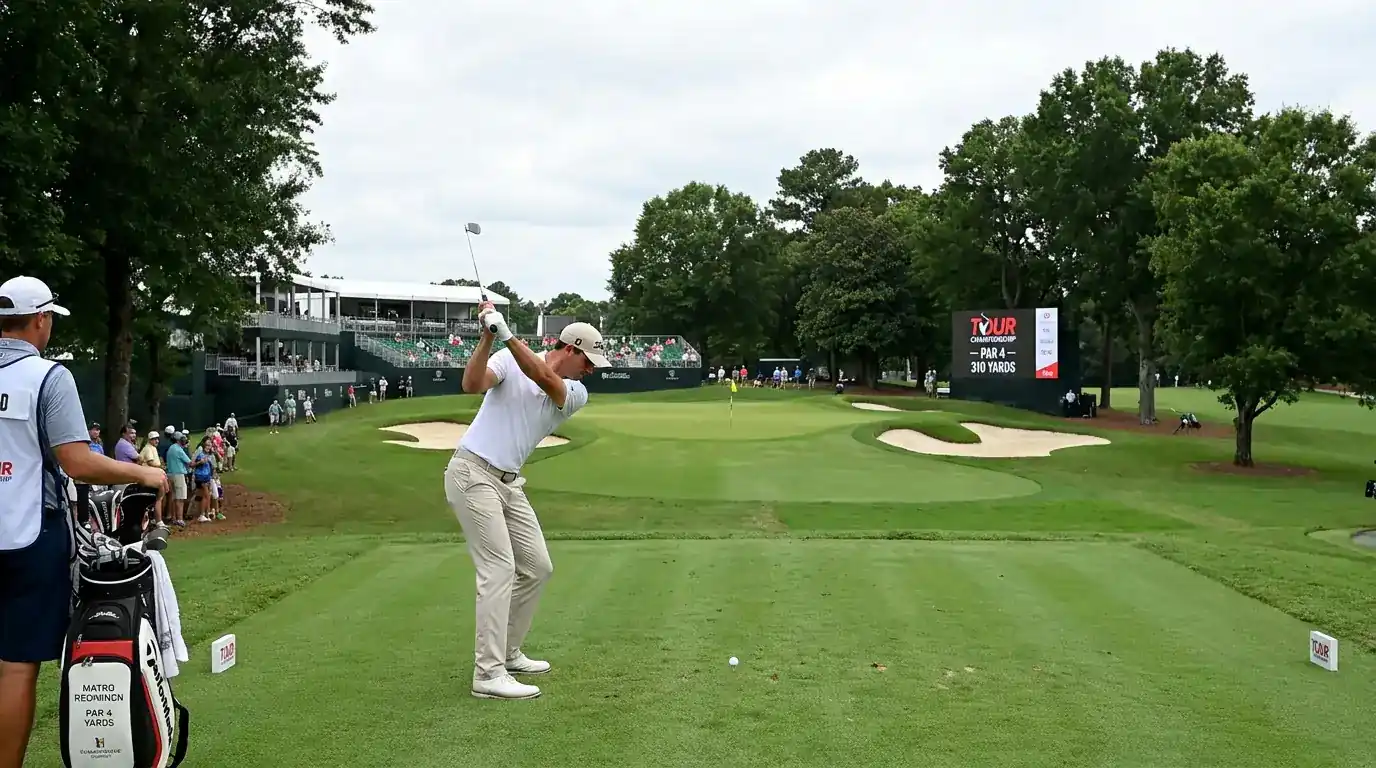
Par-5s are the bread and butter of hole-by-hole betting. They produce the widest range of outcomes: eagles, birdies, pars, bogeys, and the occasional disaster. A reachable par-5 with water guarding the green creates genuine uncertainty — will the player lay up or go for it? That decision, made in real time under tournament pressure, is exactly the kind of information asymmetry that creates value. The player’s strokes-gained approach-the-green data on par-5s becomes essential here. A player who ranks in the top 20 for SG: Approach on long holes has a meaningfully different birdie probability than one who ranks 80th, and the market does not always price that gap correctly.
Driveable par-4s offer similar volatility in a shorter package. Holes like the 10th at Riviera or the 3rd at TPC Scottsdale tempt players to drive the green, but the risk of a short-sided miss or a bunker shot creates scoring variance that straightforward par-4s do not. These holes tend to cluster birdies and bogeys, with fewer pars in between — exactly the distribution that makes one-hole betting interesting.
Signature holes at major venues deserve special attention. The 12th at Augusta — “Golden Bell” — is a 155-yard par-3 over Rae’s Creek with wind swirling through the trees. Bogey rates spike there even among the world’s best players. The 17th at TPC Sawgrass, the island green, produces at least one splash per round during The Players Championship. These holes generate outsized volatility, and because they are also the most televised, the data and live footage you need to make informed bets are readily available.

Amen Corner at Augusta (holes 11, 12, and 13) is the classic example of a stretch where hole-by-hole betting comes alive. The 11th is a brutal par-4 with water left. The 12th is that treacherous par-3. The 13th is a reachable par-5 with azaleas framing the creek. In three consecutive holes, you get a bogey trap, a coin-flip par-3, and an eagle opportunity. The odds shift radically from hole to hole, and the narrative tension is irresistible.
Links holes during The Open deserve their own consideration. Coastal par-3s exposed to wind produce the most unpredictable scoring in golf. The Road Hole at St Andrews — the 17th — combines a blind drive, a narrow green, and the infamous Road Hole bunker. Birdie there is a minor miracle; bogey is the expected outcome for half the field. Pricing on links holes in windy conditions tends to lag behind the actual wind speed, because algorithms calibrate to average scoring data rather than real-time gusts.
How Per-Hole Odds Reflect Course and Player Data
I once asked a bookmaker trader how they price a birdie market on a specific hole, expecting a complicated answer involving proprietary models. His response was refreshingly blunt: “Scoring average plus the player’s SG number equals the starting price. Everything else is adjustment.” That oversimplifies it, but it captures the two pillars of per-hole pricing.
Course-level data forms the foundation. Every hole on the PGA Tour has a historical scoring average calculated from thousands of rounds. A hole averaging 4.2 (on a par-4) produces fewer birdies than one averaging 3.85. Bookmakers use this baseline to set the starting odds for birdie, par, and bogey outcomes. Pin position matters too — a front pin on a downhill green plays very differently from a back pin tucked behind a bunker, though most pricing models incorporate pin data only once the setup is confirmed on tournament morning.

Player-level data — primarily strokes gained by category — adjusts the baseline. Sportradar’s expanded partnership with Hard Rock Bet has introduced 3D shot tracking and enhanced in-play capabilities, including micro-markets priced off granular shot data. A player gaining 0.5 strokes on approach per round is meaningfully more likely to hit a par-5 green in two than one losing 0.3. That difference flows directly into birdie probability. Golf micro-betting takes this granularity even further, pricing individual shots rather than hole outcomes, but the data pipeline is the same.
What the market does not always capture quickly is conditional data — how a player performs on this specific hole type in these specific conditions. A player might have a tour-average birdie rate on par-5s overall, but a significantly higher rate on par-5s with generous fairways and receptive greens. If you are tracking the conditions on the ground (firm vs soft, wind direction relative to the hole layout), you can occasionally spot a gap between the posted price and the adjusted probability. That gap is small and closes fast, but it is where profitable hole-by-hole betting lives.
Where Hole-by-Hole Betting Fits in Your Live Golf Arsenal
Hole-by-hole markets are not a replacement for tournament-level bets. They are a precision tool — best used when you have specific knowledge about a specific hole and a specific player. I treat them as tactical entries within a broader in-play strategy: I identify two or three holes per round where I have an informed view, and I wait for those moments. The rest of the time, I watch and gather data. The discipline to skip 15 unremarkable holes and strike on the three that matter is what separates hole-by-hole betting from random in-play gambling. This market rewards preparation more than any other in golf. The punter who knows that a particular par-5 plays as the easiest hole on the course in calm conditions but becomes a bogey factory when the wind shifts to the south-west — that punter has an edge the odds do not fully reflect.
Are hole-by-hole golf bets available at every UK bookmaker?
Not yet. Hole-by-hole markets are offered most consistently on PGA Tour Signature Events, the four majors, and The Players Championship at the larger UK bookmakers. Coverage on DP World Tour events is more limited, and not all operators provide the same depth of per-hole markets. Availability has been expanding steadily, particularly as Betcast coverage grows.
How do weather conditions affect per-hole betting odds?
Weather has a direct impact on per-hole pricing. Wind increases the difficulty of exposed holes, pushing birdie odds higher and bogey odds lower. Rain softens greens, making approach shots more controllable but also lengthening the course. Most pricing models adjust for forecast conditions, but real-time shifts — a sudden gust, an unexpected shower — create temporary gaps between the posted odds and the actual probability.
Published by the Live Golf Betting team.