Golf Micro-Betting: Wagering on Every Swing, Not Just Every Hole
 Available in US
Golf Micro-Betting: Wagering on Every Swing, Not Just Every Hole
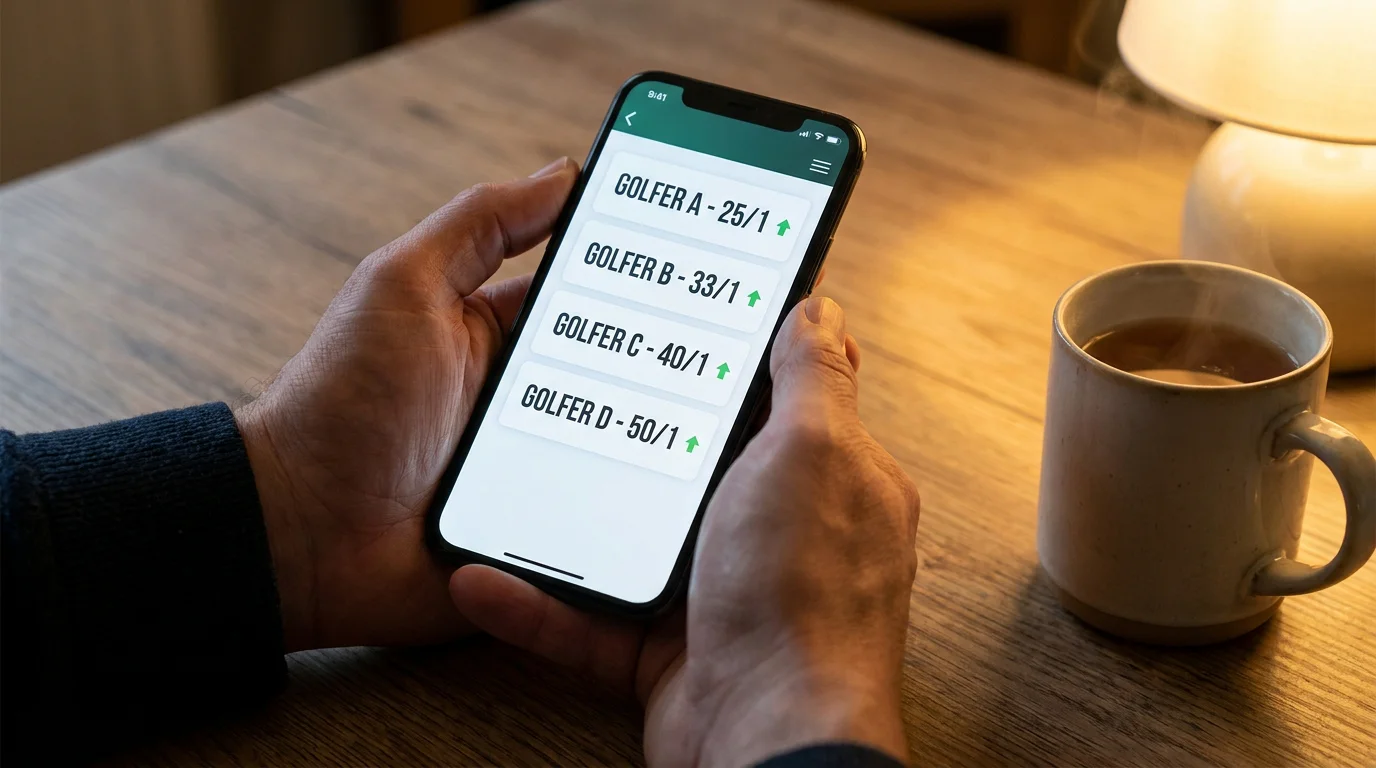
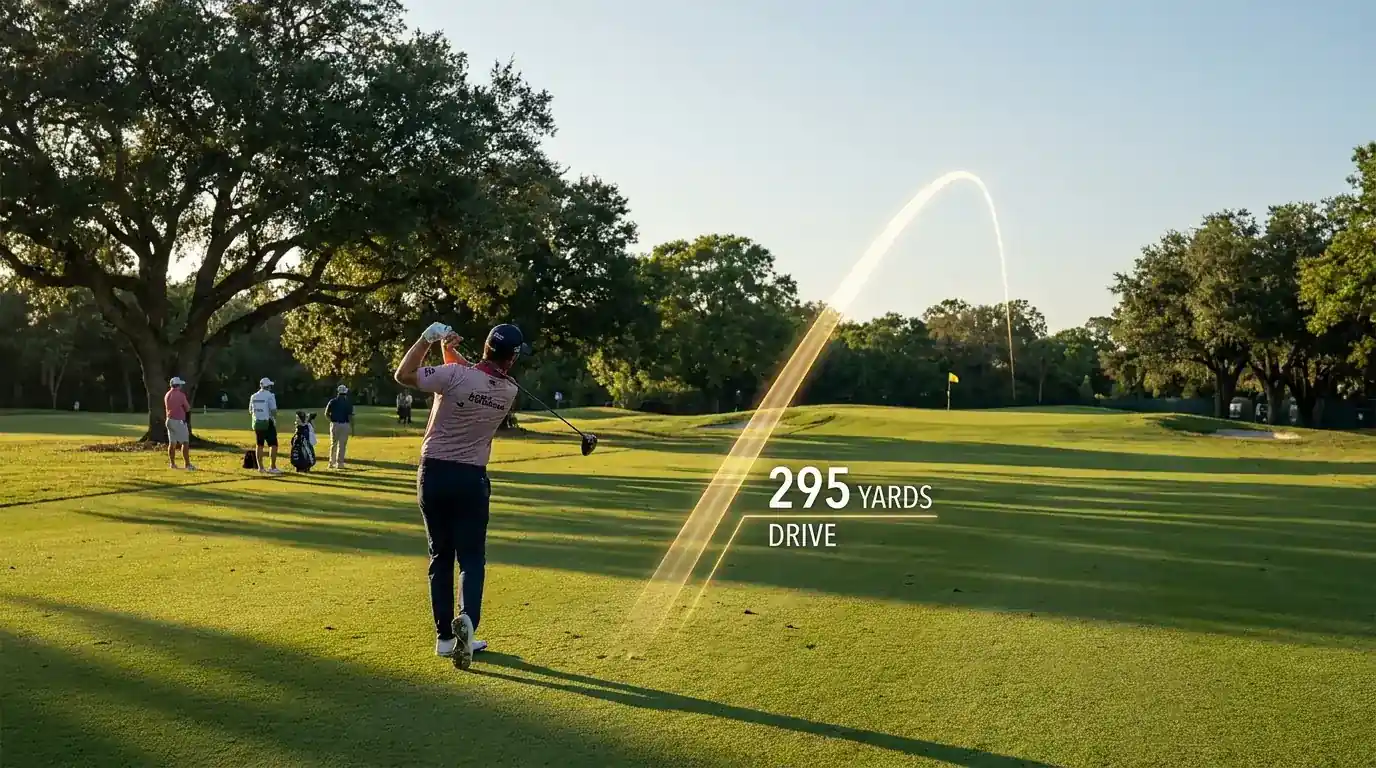
The first time I saw a “drive distance over/under” market appear on a golf bet slip, I knew the sport’s betting landscape had permanently shifted. This was not betting on who wins a tournament, or even who wins a hole. This was betting on a single swing — one drive, one approach, one putt. Golf micro-betting breaks the sport into its smallest atomic units and prices each one individually.
Micro-betting goes beyond hole-by-hole markets, which focus on the outcome of an entire hole (birdie, par, bogey). Micro-markets price individual shots: will this drive land in the fairway? Will the approach finish within 15 feet of the pin? Will the first putt go in? Each shot becomes its own market, with odds that open as the player addresses the ball and close within seconds. Sportradar’s expanded partnership with Hard Rock Bet has introduced 3D shot tracking and enhanced micro-market capabilities, including real-time pricing based on trajectory, spin, and landing data. The technology that makes this possible is sophisticated, and it is reshaping what “in-play golf betting” means.
What Micro-Markets Are Available in Golf
Micro-markets in golf are an emerging category, and availability is still limited compared to established markets like outright or two-ball. But the range is growing as data infrastructure improves. Here is what currently exists or is being piloted across the sport.
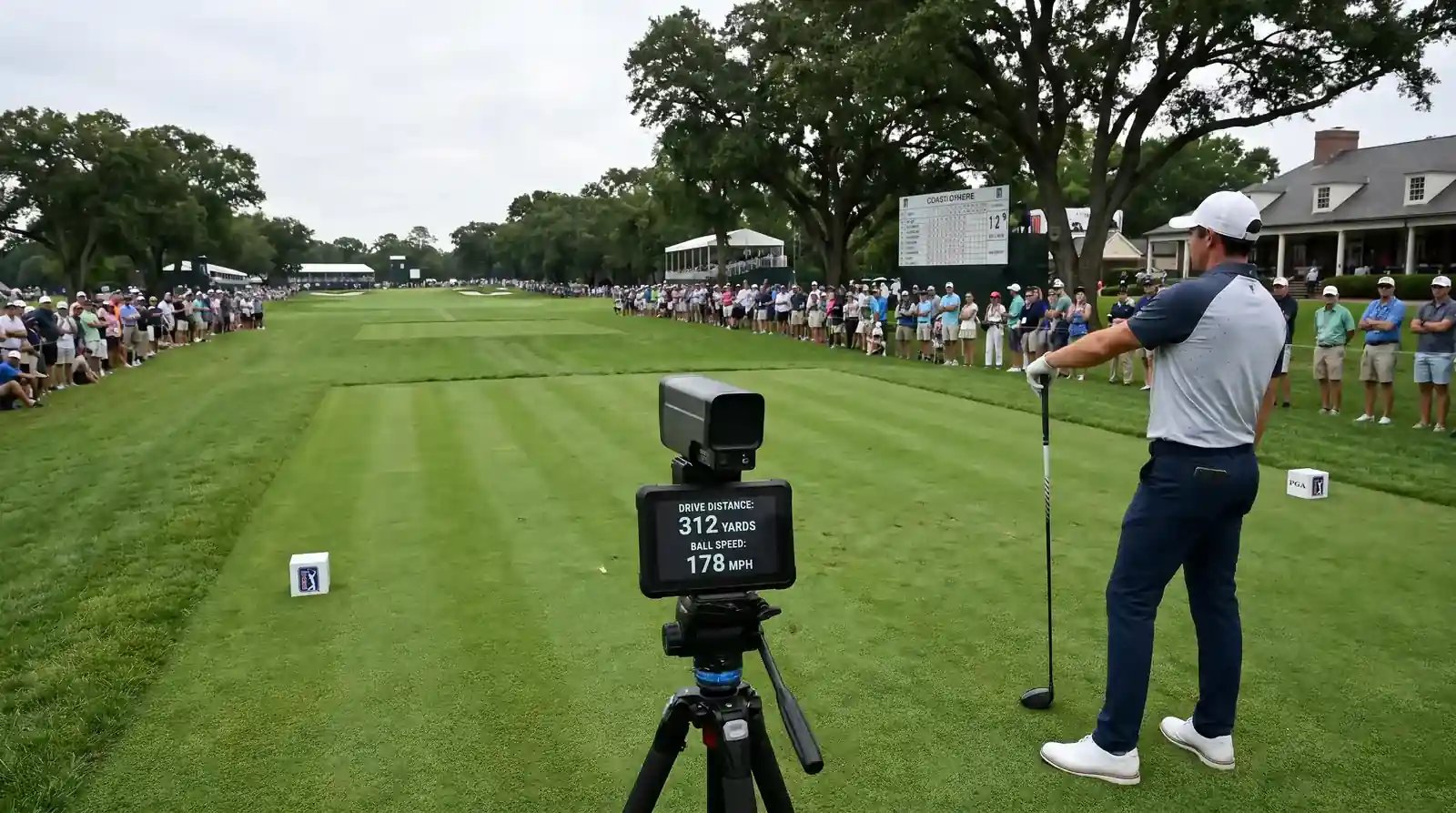
Drive distance over/under sets a yardage line for a player’s tee shot — typically around their season average for that club on that hole type. Back the over if you expect a long drive; take the under if conditions (wind, cold, narrow fairway requiring a controlled shot) suggest a shorter play. The data feeding this market comes from ShotLink’s precise measurement of every tee shot on the PGA Tour.
Fairway hit yes/no is a binary market on whether the drive finishes in the fairway. The pricing reflects the player’s driving accuracy percentage, the fairway width, and the hole’s specific demands. A narrow, tree-lined hole will price “yes” higher than a wide-open par-5. In-play, this market opens as the player addresses the ball and resolves in under 30 seconds.
Green in regulation yes/no prices whether the approach shot finds the putting surface. GIR rates vary significantly by player and by hole difficulty. A par-3 at 155 yards to a large green prices GIR shorter than a 240-yard par-3 into wind to a narrow target. Proximity to pin over/under extends this further, setting a distance line for how close the approach finishes to the hole.

Up-and-down success yes/no covers short-game outcomes when a player has missed the green. Will they get up and down for par (or better)? The pricing pulls from SG: Around-the-Green data and the specific lie — bunker shots price differently from rough, fringe, or hardpan.
The Technology Behind Golf Micro-Markets
Micro-betting in golf exists because of three technological pillars: ShotLink’s measurement infrastructure, Sportradar’s data distribution network, and the algorithms that convert raw shot data into real-time odds.
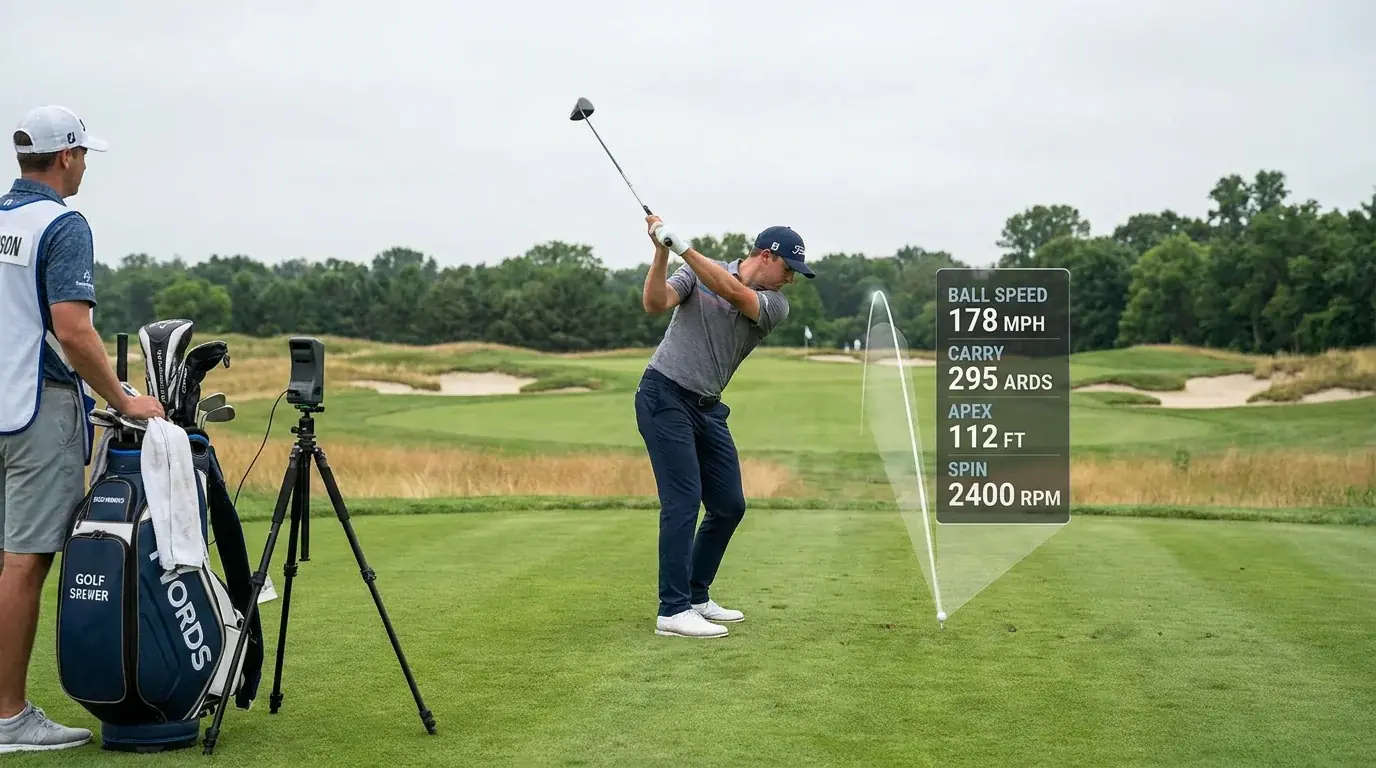
ShotLink captures the location of every shot using a combination of laser-based tracking systems and volunteer operators. Sportradar acquired IMG Arena in November 2025, consolidating a portfolio covering 39,000 official events and 30,000 streaming events across 14 sports. That acquisition put PGA Tour betting data under the same roof as the distribution technology that delivers it to bookmakers. The feed includes not just shot locations but 3D trajectory data — ball speed, launch angle, spin rate, apex height — which enables predictive pricing. An algorithm can price “fairway hit” before the ball has landed by analysing the launch conditions and trajectory.
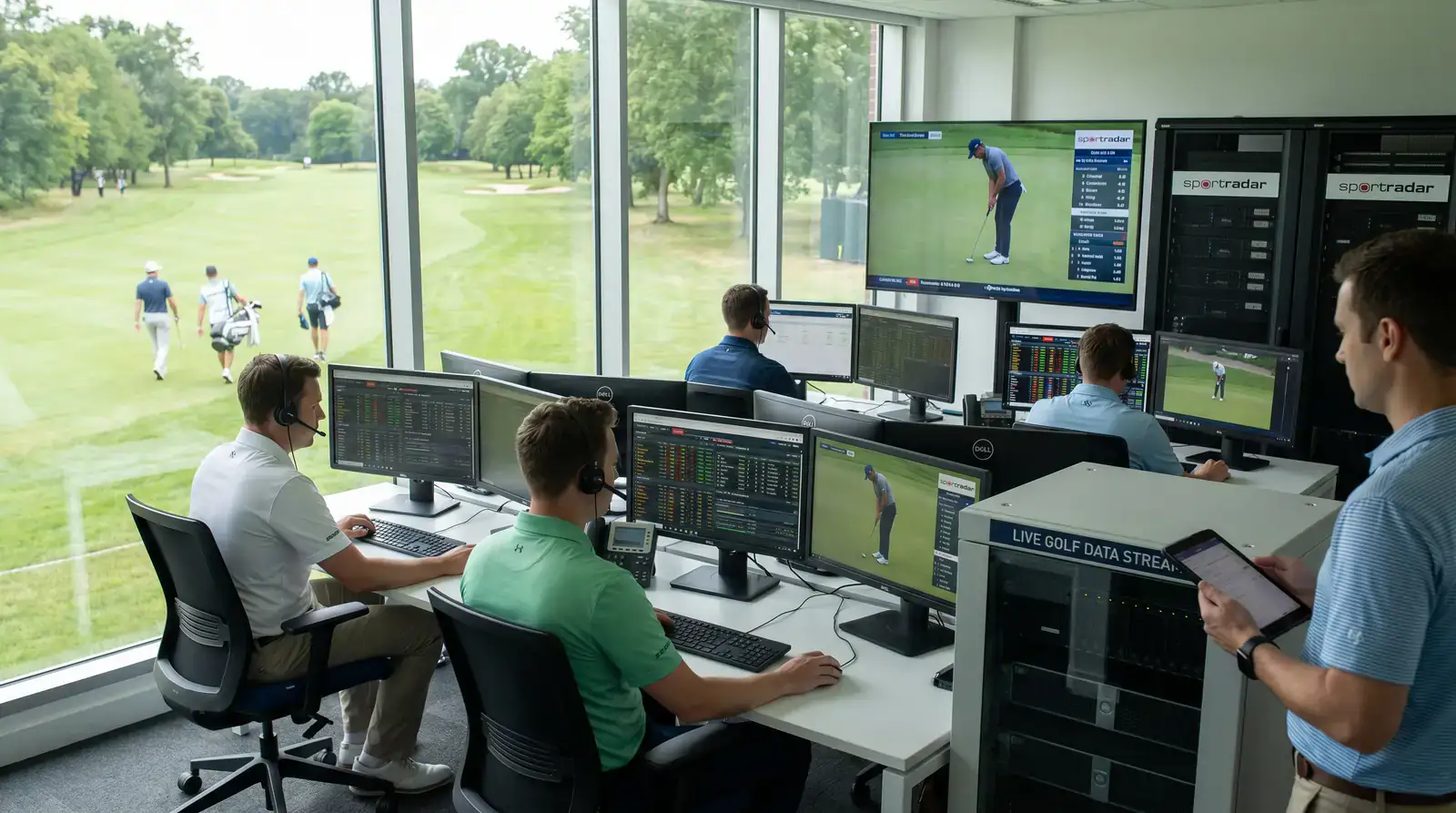
Data latency is the critical constraint. The time between a shot being struck and the data being available to bookmakers ranges from 0.5 to 2 seconds depending on the tracking system and the distribution pipeline. Within that window, the market is blind. After the data arrives, algorithms reprice instantly. For punters watching the broadcast, there is an additional delay of 5 to 15 seconds. That means the micro-market has already moved by the time you see the shot on your screen. Sportradar’s technological infrastructure is designed to close these latency gaps, but they will never be zero.
Micro-Betting Availability for UK Punters
As of 2026, golf micro-betting is in its early stages for UK-facing markets. The technology exists and is being deployed at select PGA Tour events, primarily Signature Events and majors where Betcast coverage provides the broadcast infrastructure. UK bookmakers are beginning to pilot micro-markets on featured groups during these events, but the availability is inconsistent — you might find drive distance markets at one bookmaker and not at another, and they may only cover two or three groups per round.
The expansion timeline is tied to the Betcast rollout. The PGA Tour Betcast grew from 6 tournaments and 50 hours in 2025 to 12 tournaments and over 400 hours in 2026. Each additional tournament under Betcast coverage means more data flowing in real time, more market types becoming viable, and more operators willing to offer micro-markets to UK punters. The trajectory is clear: micro-betting in golf will become standard within the next two to three seasons, much as hole-by-hole betting moved from novelty to mainstream over the past five years.
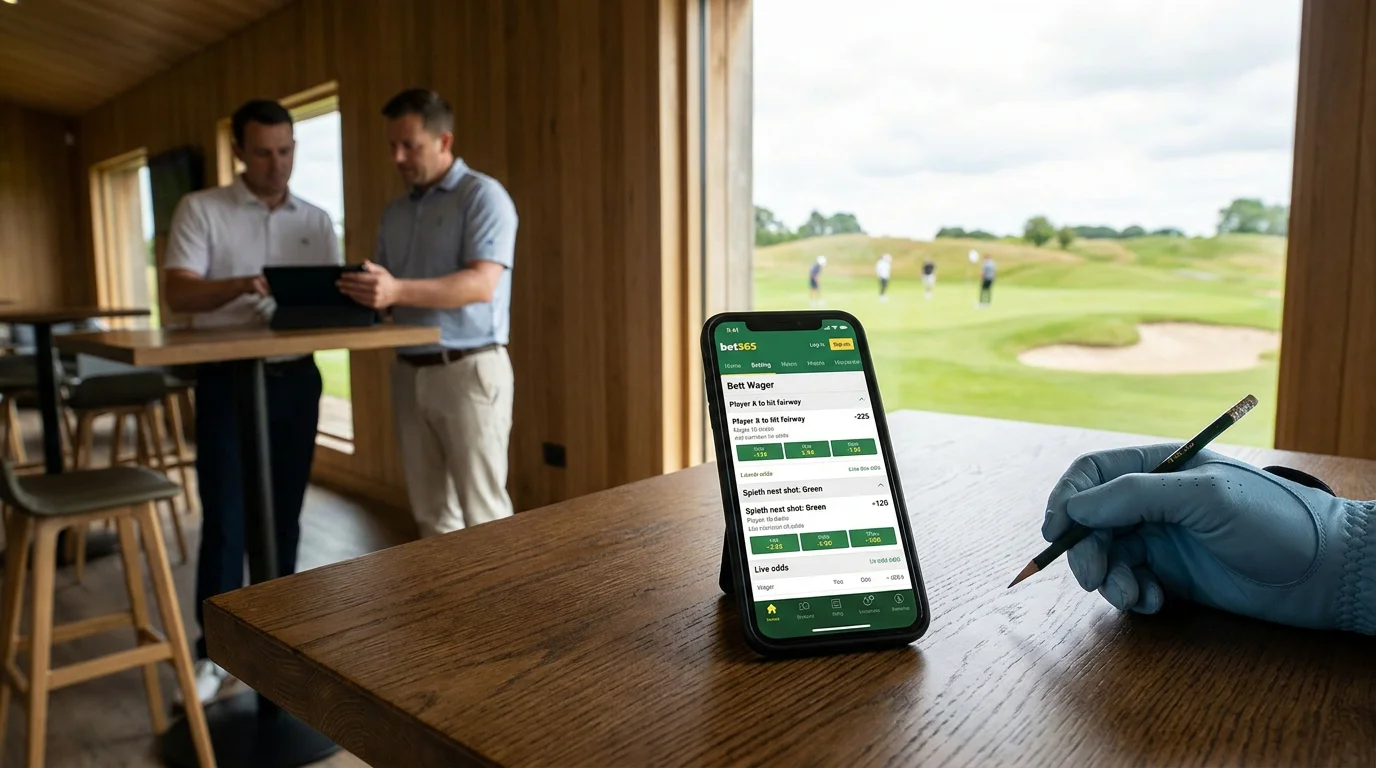
Regulatory considerations matter for UK availability. Micro-markets settle within seconds, which raises questions about impulse control and responsible gambling. The UKGC’s framework for in-play betting includes requirements for data integrity and market suspension standards. Micro-markets must meet those standards before they can be offered at scale by UK-licensed operators. The operators piloting these markets are working within UKGC guidelines, but the regulatory conversation about very fast-settling markets is ongoing.
Where Micro-Betting Fits in Your Live Golf Strategy
Micro-betting is not a strategy in itself. It is a tool — one more market type alongside outright, two-ball, and hole-by-hole. I treat micro-markets as situational plays: moments when I have a specific view on a specific shot based on what I can see on the broadcast and what the data tells me about the player and the hole. A player standing on a par-5 tee with a tailwind, known for aggressive driving, with a wide fairway ahead — that is a “drive distance over” situation. The edge is narrow and the market is efficient, but when you have genuine information that the price does not fully reflect, micro-bets add a precise, rapid-fire layer to your in-play arsenal.
Is golf micro-betting legal and regulated in the UK?
Yes, golf micro-betting is legal when offered by UK-licensed operators under the Gambling Commission’s regulatory framework. The same rules that apply to other in-play markets — data integrity, market suspension standards, responsible gambling tools — apply to micro-markets. Availability is still limited as operators pilot these markets, but they operate within the existing UKGC licensing structure.
How fast do micro-market odds change during a golf shot?
Micro-market odds can change within 0.5 to 2 seconds of the shot data being captured by the tracking system. By the time the broadcast shows the shot — typically 5 to 15 seconds later — the odds have already adjusted. This latency means you are not racing the algorithm in real time. The practical edge comes from anticipating shot outcomes based on pre-shot information (player tendencies, hole setup, conditions) rather than reacting to what you see on screen.
Published by the Live Golf Betting team.