Golf Prop Bets Explained: Specials and Proposition Markets for In-Play
 Available in US
Golf Prop Bets Explained: Beyond Win and Place
The bet that hooked me on golf props was a “hole-in-one in the tournament — yes or no” market at the 2022 Open Championship. The “yes” side was priced at 4/6, which felt wrong to me — four rounds of 156 players across multiple par-3s, several of them short enough that aces happen regularly at tour level. I took the “yes,” a hole-in-one landed on Saturday, and the bet settled within hours. It was a small stake, but it opened my eyes to an entire category of golf markets I had been ignoring.
Proposition bets — props — are wagers on specific outcomes within a tournament that do not directly determine the winner. Total birdies in a round, a named player to make or miss the cut, an eagle on a particular hole, top nationality — these are all props. They have grown steadily as a category thanks to the expansion of real-time data infrastructure. Sportradar’s partnership with Hard Rock Bet now delivers 3D shot tracking and micro-market data that enables bookmakers to price props with a precision that would have been impossible five years ago. More data means more markets, and more markets mean more opportunities for punters who understand the underlying probabilities.
Common Golf Prop Markets
I like props because they force you to think about golf at a granular level — not “who wins this tournament” but “will this specific thing happen during this specific round.” That shift in framing changes how you analyse the event.
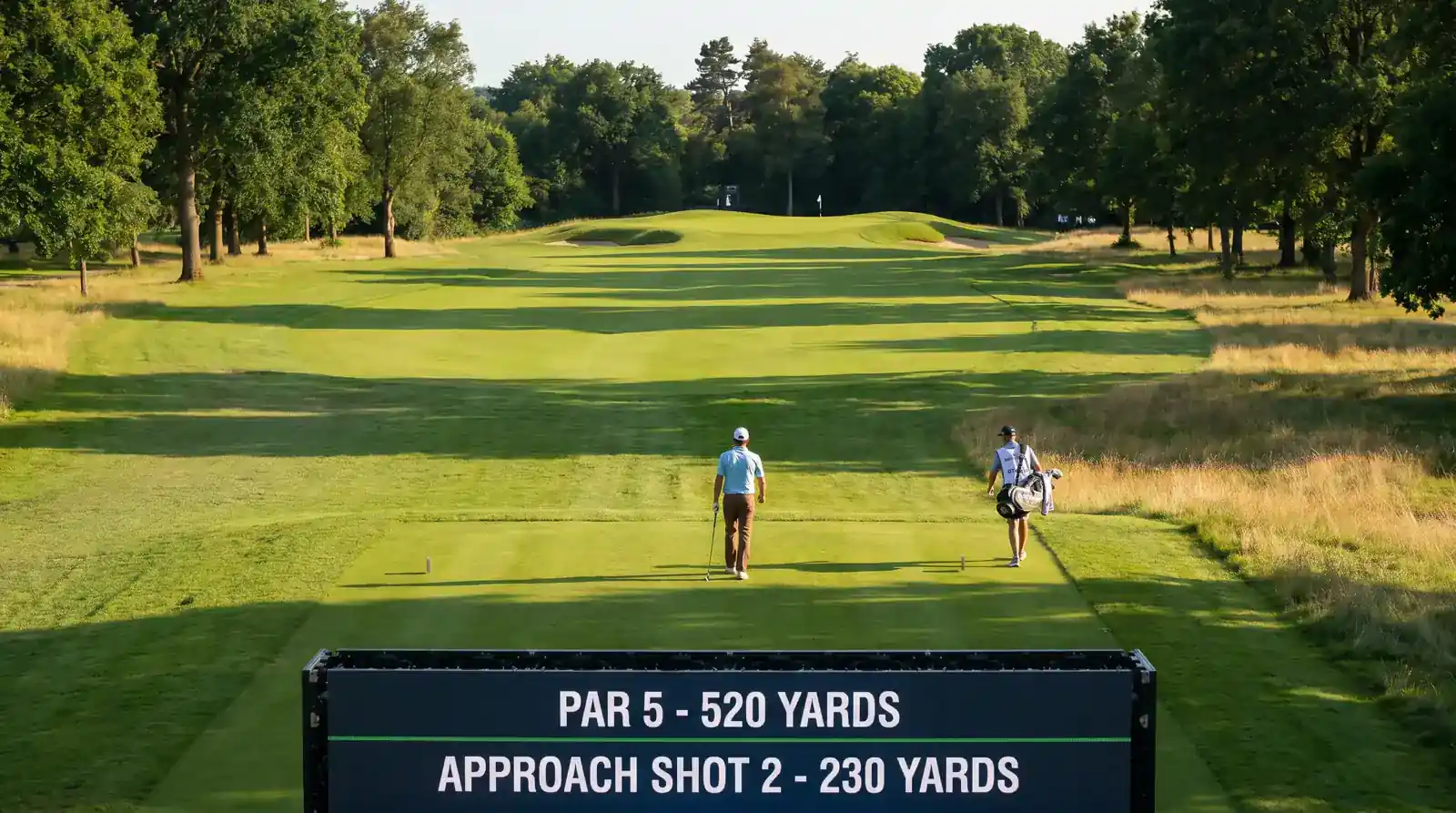
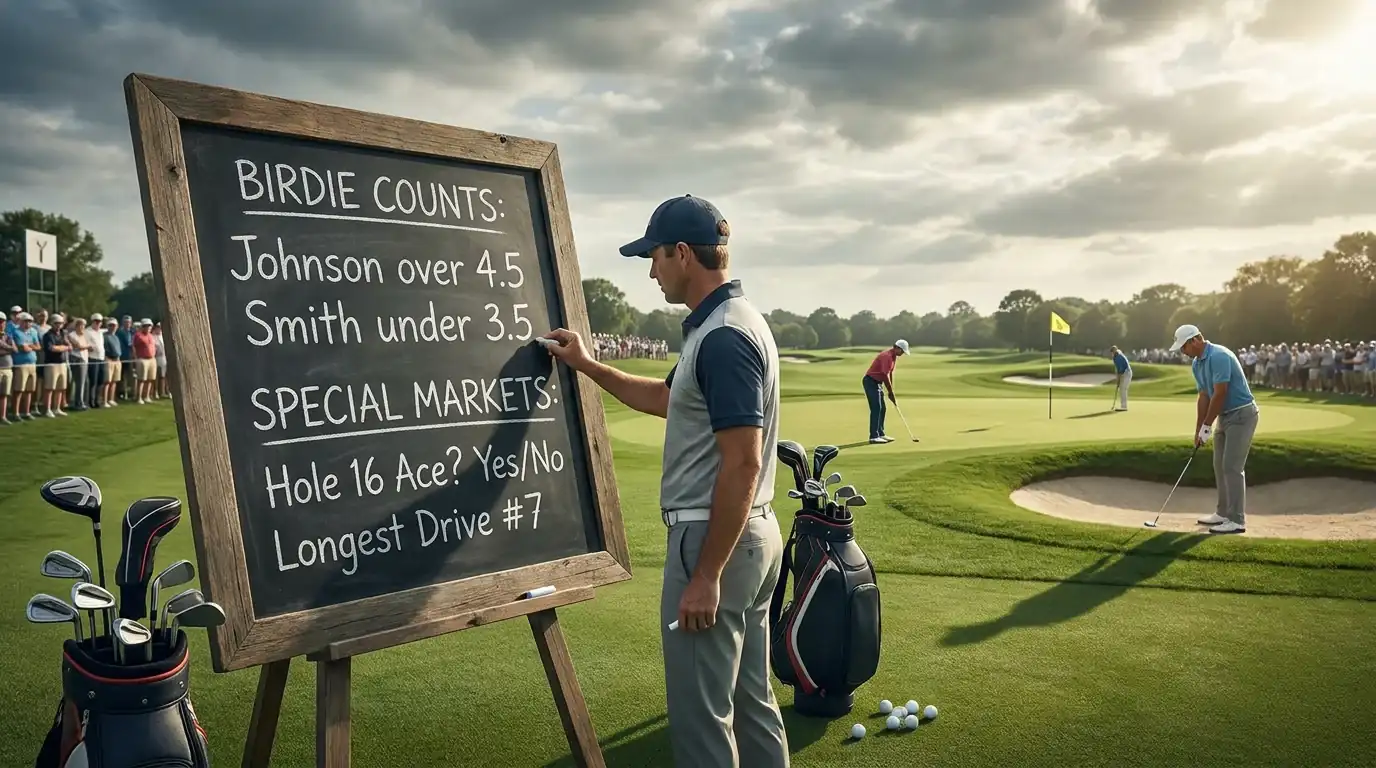
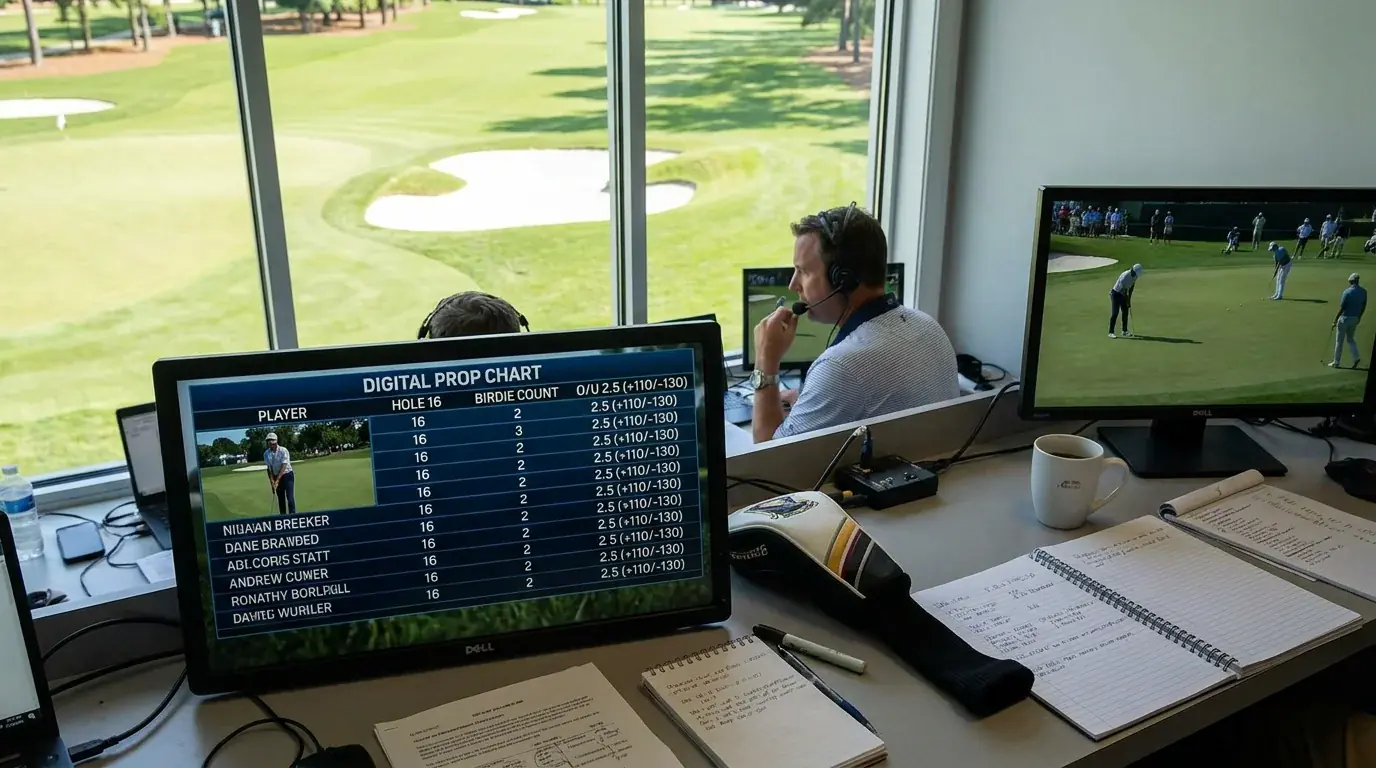
Total birdies over/under is the prop I bet most frequently. A bookmaker sets a line — say, player X to make over/under 4.5 birdies in round two — and you bet on which side of that line the actual count will fall. This market rewards knowledge of course birdie rates, par-5 reachability, pin position difficulty, and a player’s scoring profile. Some golfers are birdie machines who also make bogeys; others are steady par-makers. The birdie O/U captures that distinction in a way outright odds never can.
Eagle in a round (yes/no) targets specific holes — usually driveable par-4s or reachable par-5s — and the probability shifts dramatically depending on wind direction and pin position. Hole-in-one yes/no for the entire tournament is a slower-moving prop that settles at the end of the week, priced based on field size and the number of par-3s on the course.
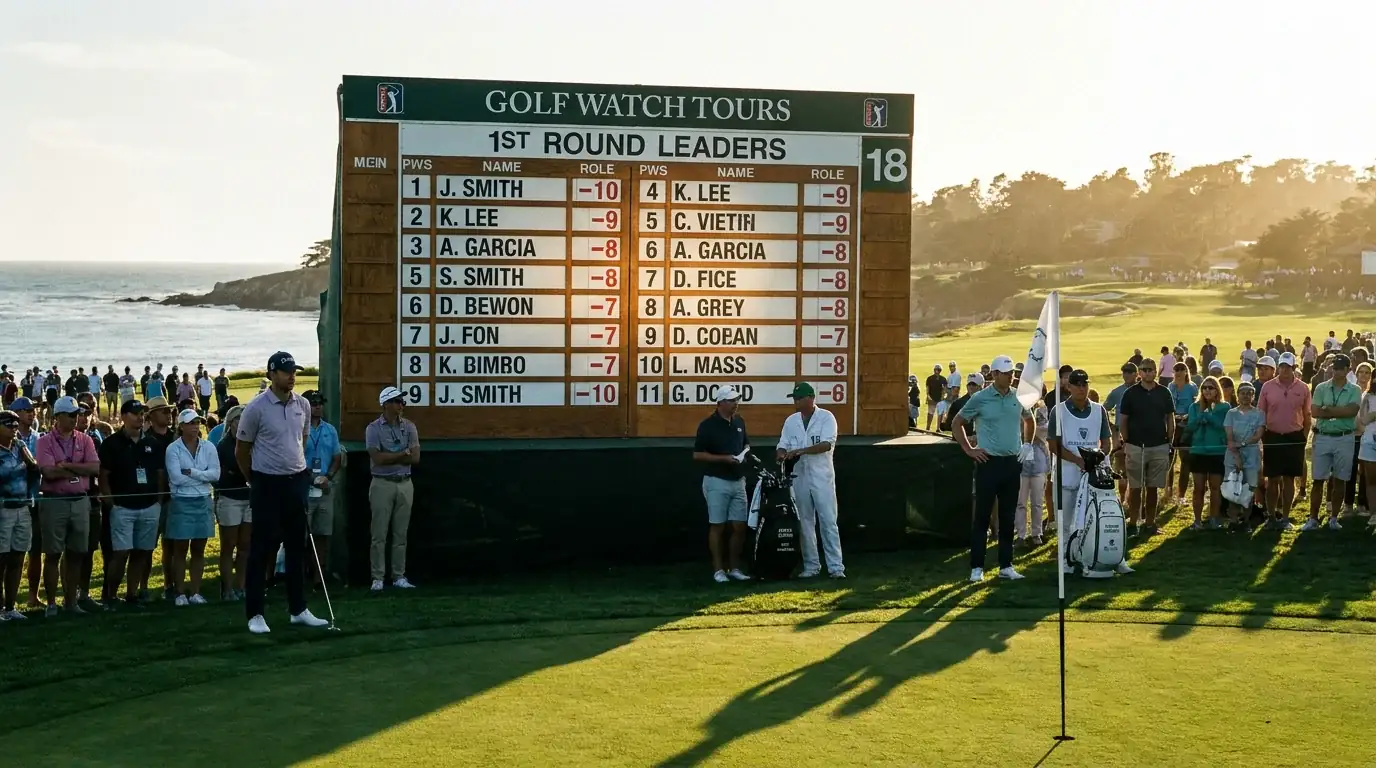
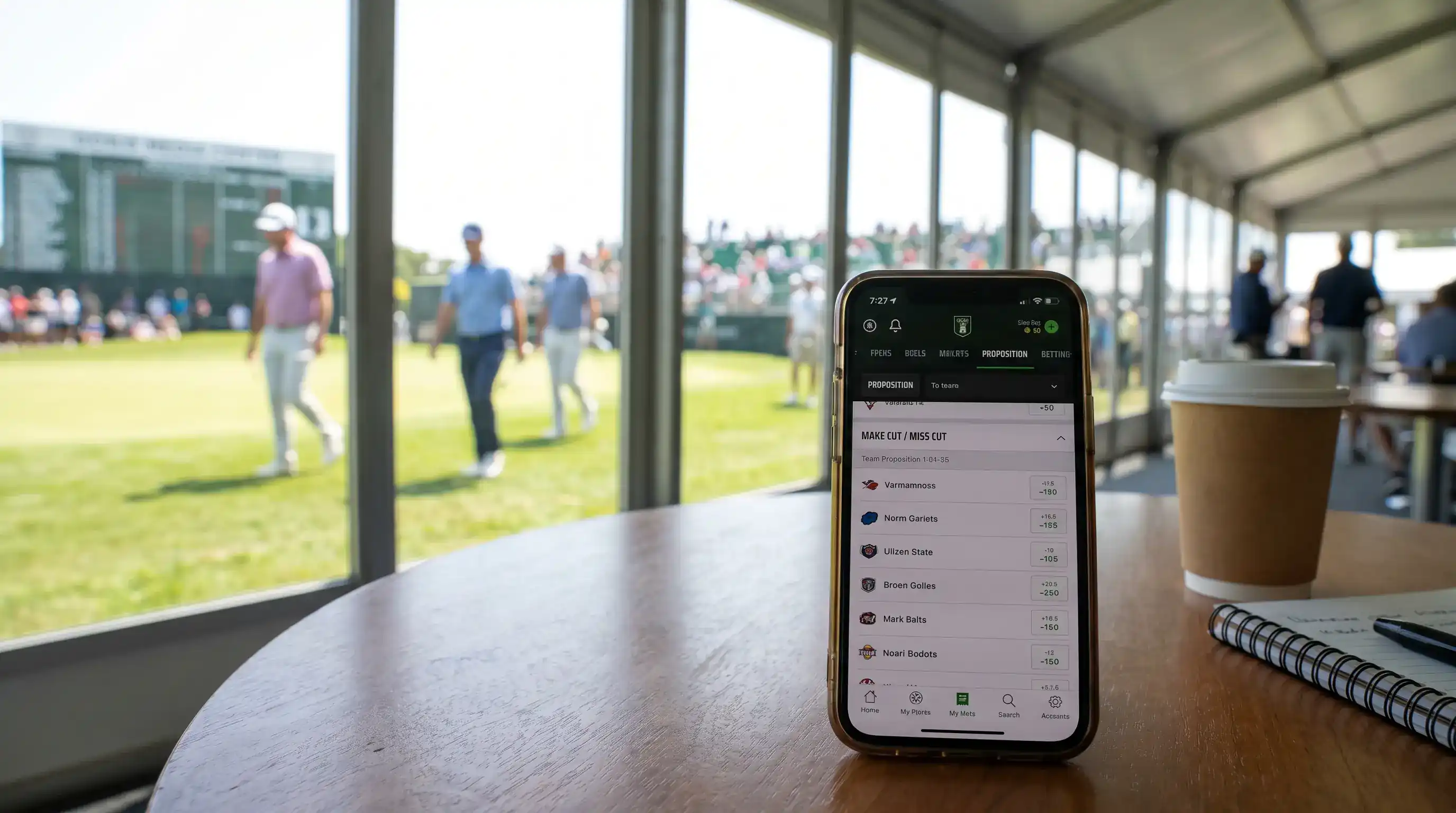
Make/miss cut is one of the most popular golf props and one of the simplest. You are betting on whether a player survives to the weekend. At events with large fields and difficult courses, the cut line can be surprisingly volatile, and players on the bubble after round one become compelling in-play targets. Top nationality — best-finishing player from a specific country — appeals to patriotic bettors but also carries genuine analytical value when you identify a weak field within a particular nationality grouping. Top left-hander is a niche prop that narrows the field to a handful of players and becomes more predictable as a result.
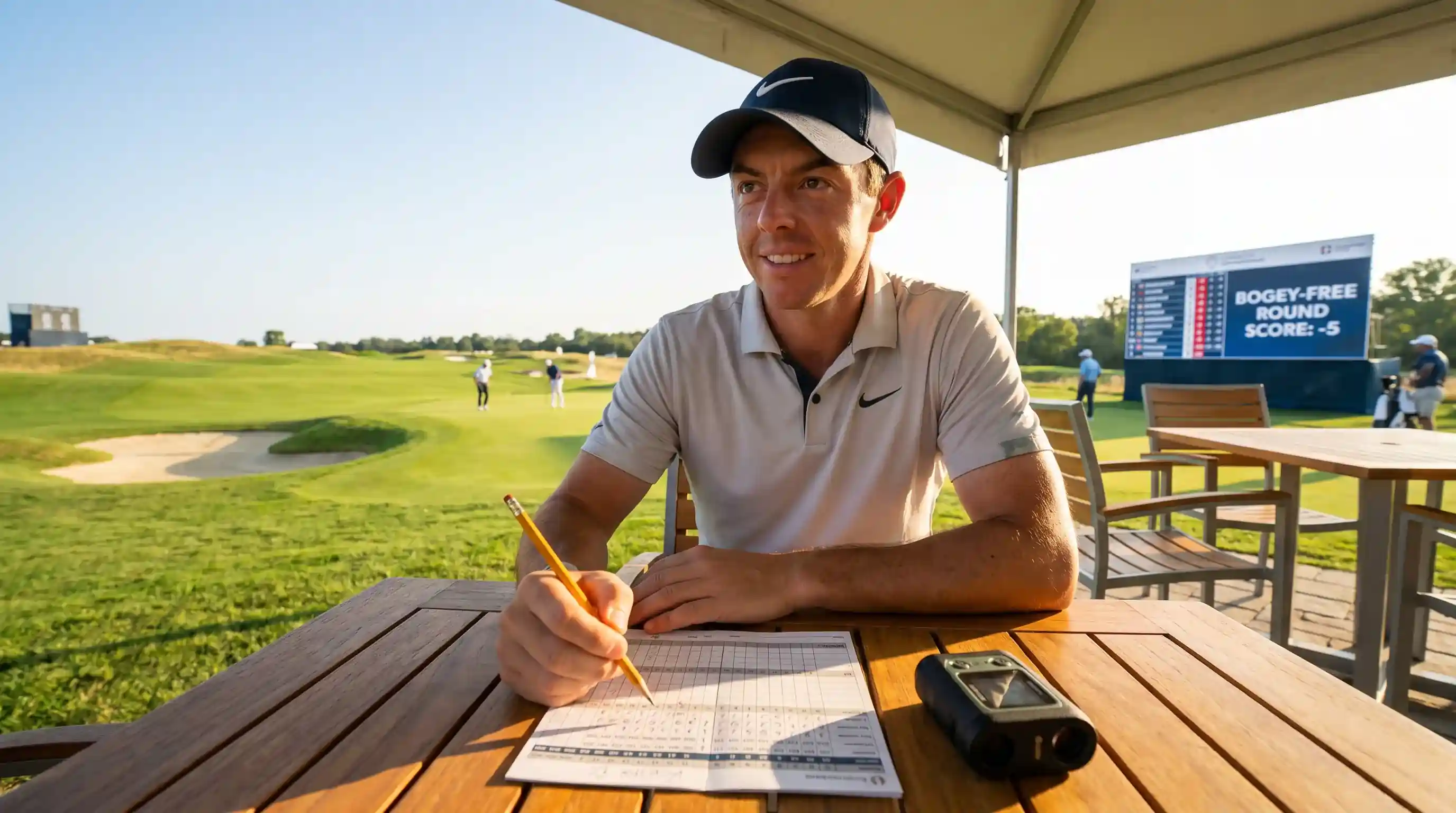
Bogey-free round is a prop I have grown fond of. It asks whether a player can complete 18 holes without a single bogey — a feat that sounds straightforward but statistically occurs far less often than most people expect. On a tough course with firm greens and wind, even elite players average more than one bogey per round. The “no” side of a bogey-free prop often holds value.
In-Play Prop Opportunities
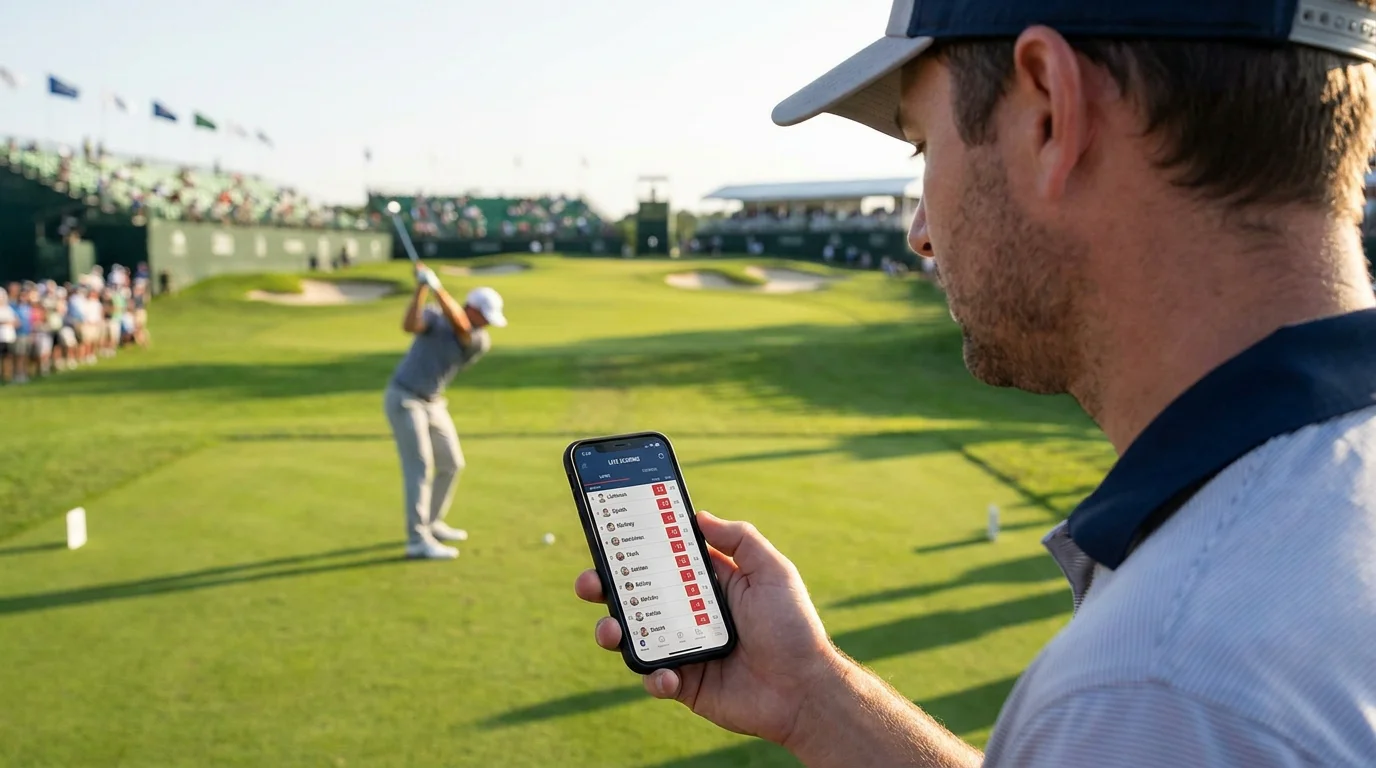
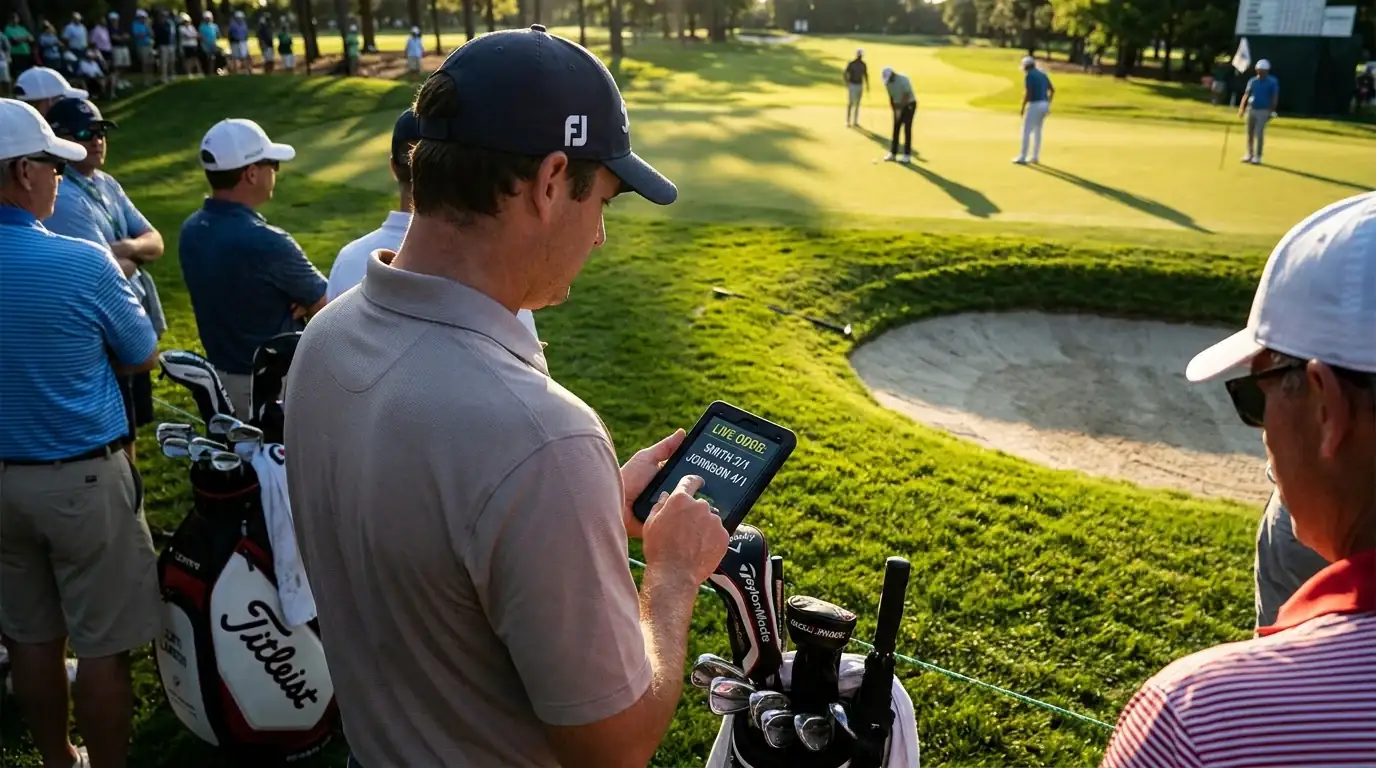
Props come alive during live play. The PGA Tour’s Betcast — now covering 12 tournaments and 400-plus hours of broadcast in 2026 — presents prop pricing directly on screen, so you can see live birdie-count odds and eagle probabilities updating as a player progresses through the round. That visibility has turned props from a niche curiosity into a mainstream in-play format.
The in-play angle I find most productive is birdie count tracking against the line. If a player has three birdies through eight holes and his line is 4.5 for the round, the “over” price shortens but still offers value if the remaining holes include reachable par-5s or short par-4s. Conversely, if a player has zero birdies through 10 holes on a scoreable course, something is off — and the “under” might price in too much recovery potential based on the course average rather than his actual round trajectory.
Eagle probability on par-5s updates dynamically as the player’s approach shot lands. A second shot that finishes 15 feet from the pin on a par-5 creates an immediate in-play market opportunity — the eagle “yes” price drops, but not always by enough to reflect the true make percentage from that distance on tour. These micro-windows last seconds, and acting on them requires both a fast app and pre-existing knowledge of the player’s putting stats from that range.
Finding Value in Golf Props
Props are often the least efficiently priced markets on a golf betting card, and the reason is structural. Bookmaker algorithms focus modelling resources on outrights, top-finish, and match-up markets because those attract the heaviest volume. Props receive less attention, which means the prices more frequently reflect generic assumptions rather than specific analysis.
A birdie count line set at 3.5 for a given player might be derived from his season average, but season averages hide enormous variance across course types. A player who averages 3.8 birdies per round might average 5.2 at short, scoreable courses and 2.1 at long, demanding ones. If you know the course-specific birdie rate and the player’s performance at similar venues, you can identify lines where the bookmaker has relied on a blunt average and the true probability sits meaningfully on one side of the line.
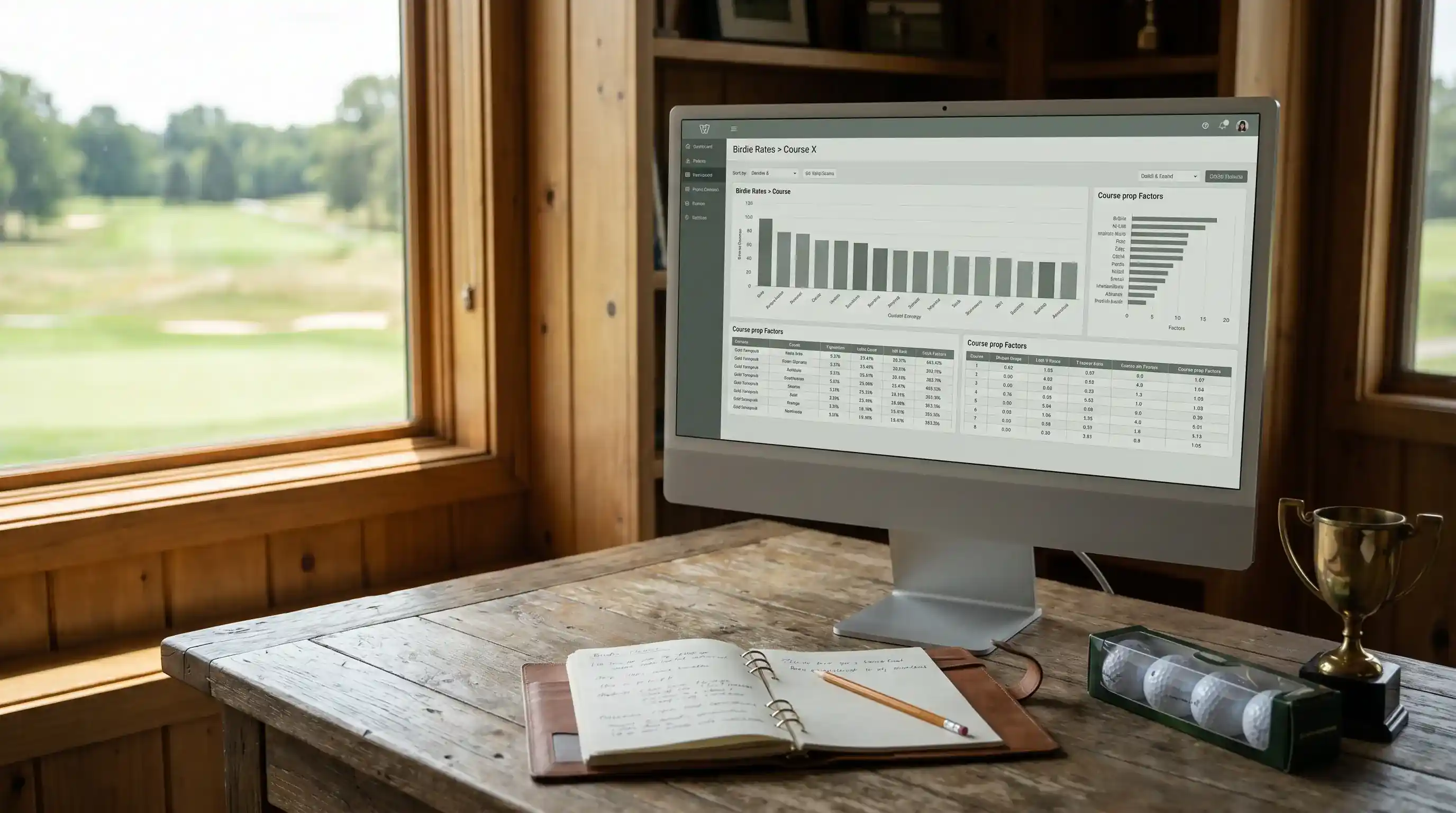
Strokes-gained data — particularly strokes gained approach and around-the-green — feeds directly into prop analysis. A player who excels at approach play from 125-150 yards will create more birdie opportunities on courses where that yardage appears frequently. Similarly, a player with poor scrambling statistics is more likely to fail a bogey-free round prop even at a relatively benign venue. The data to analyse props exists in the same free and paid tools you use for outrights — the difference is that fewer bettors bother to apply it to these markets, which is precisely why the edges persist.
Frequently Asked Questions
Are golf prop bets settled during or after a round?
It depends on the prop. Round-specific props such as birdie count O/U or bogey-free round settle at the end of that round. Tournament-wide props like hole-in-one yes/no or make/miss cut settle at the end of the relevant stage — after round two for cut markets, after round four for tournament-long props.
Can you combine golf props in a same-tournament accumulator?
Some UK bookmakers allow same-tournament prop accumulators, though not all markets are eligible for combination. Restrictions vary by operator — check whether your bookmaker supports multi-prop accas and which prop types can be combined before attempting to build one.
Props Turn Golf Knowledge Into Targeted Bets
I keep coming back to golf props because they let me bet on what I actually know, rather than what the market wants me to predict. I have no particular skill at picking tournament winners from a 156-player field, but I can assess whether a specific player will exceed a birdie count line at a course I have studied, and I can evaluate whether eagle probability on a reachable par-5 justifies the in-play price. Props reward specificity, and the data infrastructure that feeds them is only growing deeper. If you are already doing the research for outrights, the incremental effort to analyse props is small and the additional edge can be meaningful.
Published by the Live Golf Betting team.