Golf Betting Exchanges: How Peer-to-Peer Golf Wagering Differs
 Available in US

Golf Betting Exchanges: Trading Odds, Not Just Backing Them
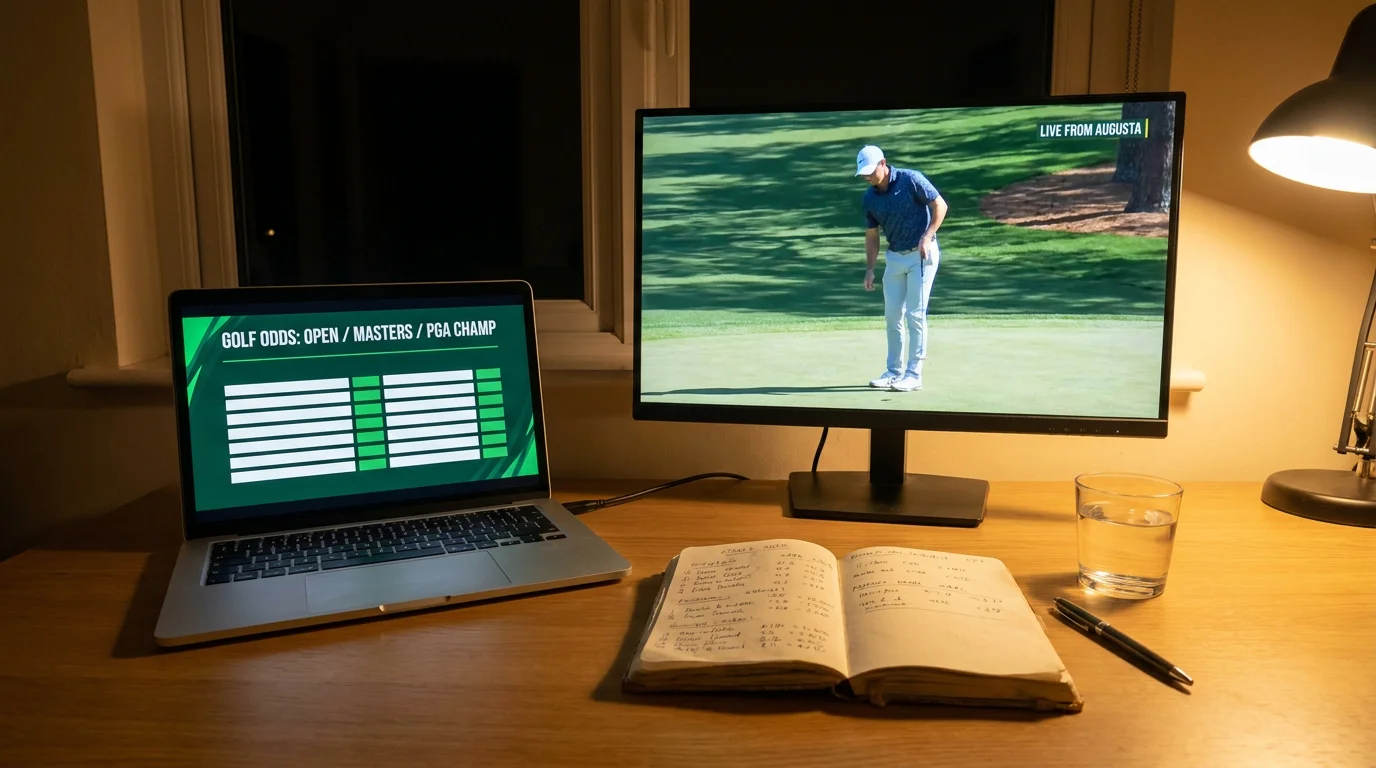
The first time I used an exchange for golf, I accidentally laid a player instead of backing him. I did not understand the interface, clicked the wrong column, and spent the next four hours hoping a 16/1 shot would not win a tournament while I tried to figure out how to close the position. He finished 30th — I was fine — but that chaotic introduction taught me more about how exchanges work than any tutorial could have. An exchange is not a bookmaker. It is a marketplace, and if you do not understand the mechanics before you enter, the market will teach you the hard way.
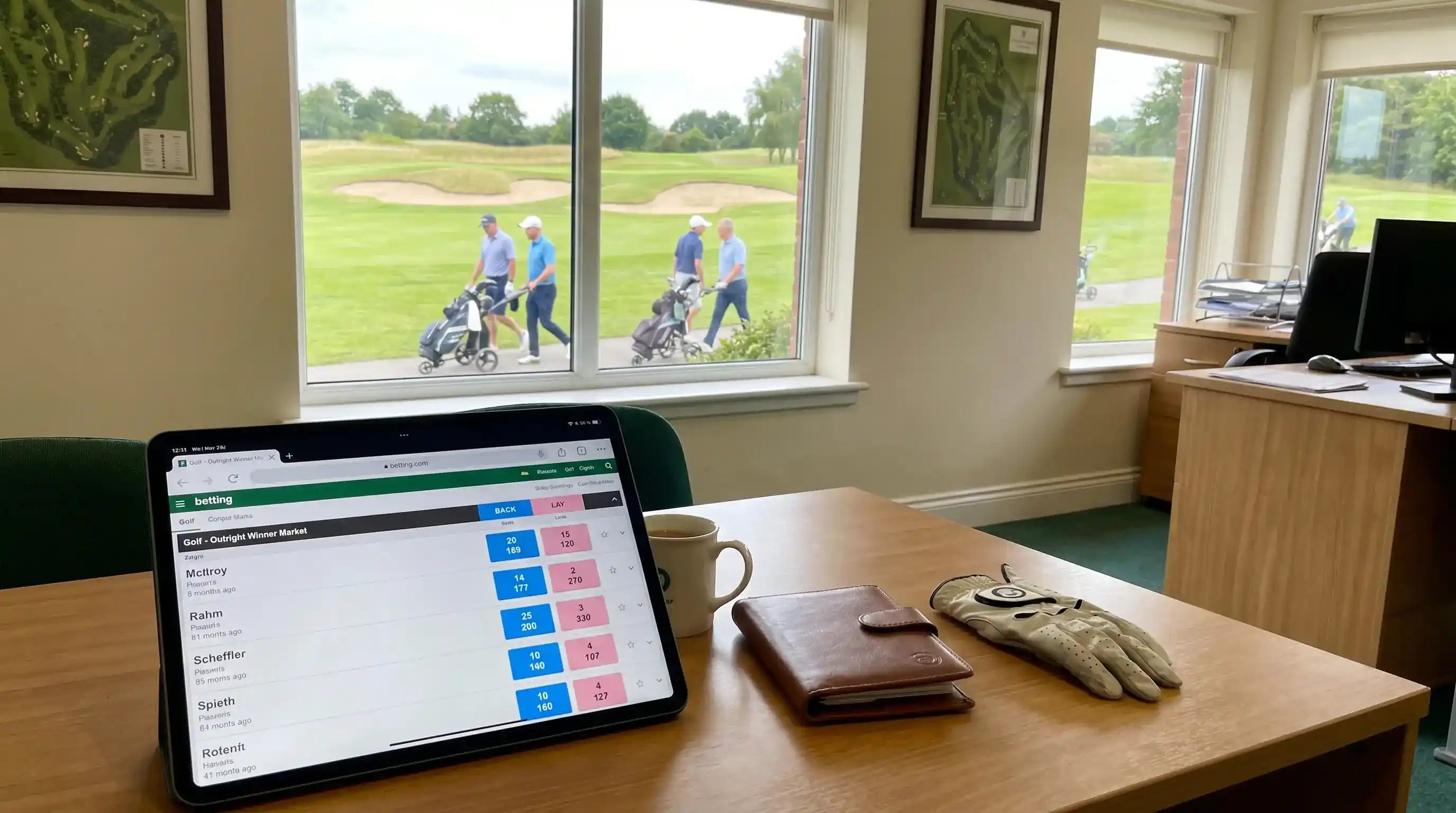
A betting exchange matches two parties on opposite sides of a wager. There is no bookmaker setting the odds — instead, users set their own prices and wait for someone to accept them, or they take prices already offered by others. The online segment accounts for nearly 79% of the UK sports betting market, and exchanges occupy a distinct niche within that figure: lower margins than traditional bookmakers, the ability to lay (bet against) a player, and the option to trade positions in-play. For golf, these features create possibilities that a standard bookmaker account simply cannot offer.
Backing and Laying on a Golf Exchange
Backing on an exchange works identically to placing a bet with a bookmaker — you are betting that a player will achieve a specific outcome (win, top 5, and so on). The difference is that the odds are set by other exchange users rather than a bookmaker’s pricing team, and those odds are often better because there is no bookmaker margin built into the price. Exchange odds include a small commission on winning bets — typically 2-5% depending on the platform — but even after commission, the net return frequently exceeds what a traditional bookmaker offers.
Laying is the feature that makes exchanges fundamentally different. When you lay a player, you are betting against him — accepting someone else’s back bet and taking on the role of the bookmaker. If the player loses, you keep the backer’s stake (minus commission). If he wins, you pay out at the agreed odds. The potential liability on a lay bet in golf can be substantial because the odds are long. Laying a player at 20/1 means your liability is 20 times the backer’s stake. If someone backs £10 at 20/1 and you lay it, you stand to lose £200 if the player wins. That asymmetry is critical to understand before you lay anything in a golf market.

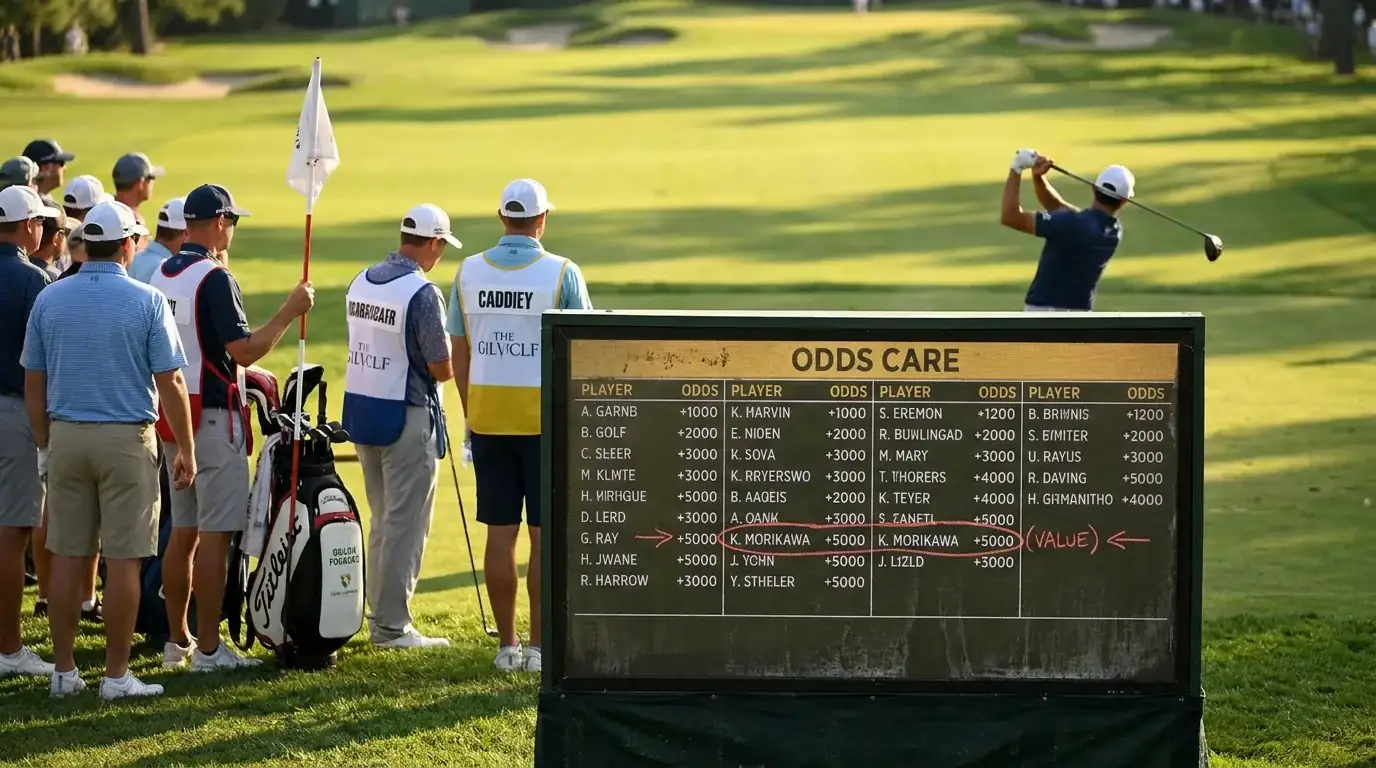
I use lay bets sparingly in golf — typically against players I believe are overvalued in the outright market. A player who is 14/1 at the bookmaker but trading at 12/1 on the exchange might be layable if my model has him at 25/1 or longer. The shorter the exchange odds relative to my assessed probability, the more attractive the lay becomes. But the liability management is paramount: I never lay at odds longer than 25/1 because the potential loss becomes disproportionate to the edge.
Trading Golf Positions In-Play
Trading — backing a player and then laying him at shorter odds to lock in a profit regardless of the final outcome — is where exchanges offer something no bookmaker can replicate. Live and in-play betting is the leading category globally in sports wagering, and exchange trading thrives in this environment because odds move continuously and positions can be opened and closed at any point during the tournament.
Golf’s four-day format is uniquely suited to trading. You can back a player pre-tournament at 40/1, watch him take the lead after round two, and lay him at 6/1 to lock in a profit — or “green up” in exchange terminology — without needing him to actually win. The profit is the difference between your back odds and your lay odds, adjusted for stakes. If I backed £10 at 40/1 (potential profit £400) and lay £50 at 8/1 (liability £400), I have a balanced position: if he wins, the lay loss offsets the back profit; if he loses, the lay profit offsets the back loss. The net result is a guaranteed profit of roughly £50 minus commission regardless of outcome.
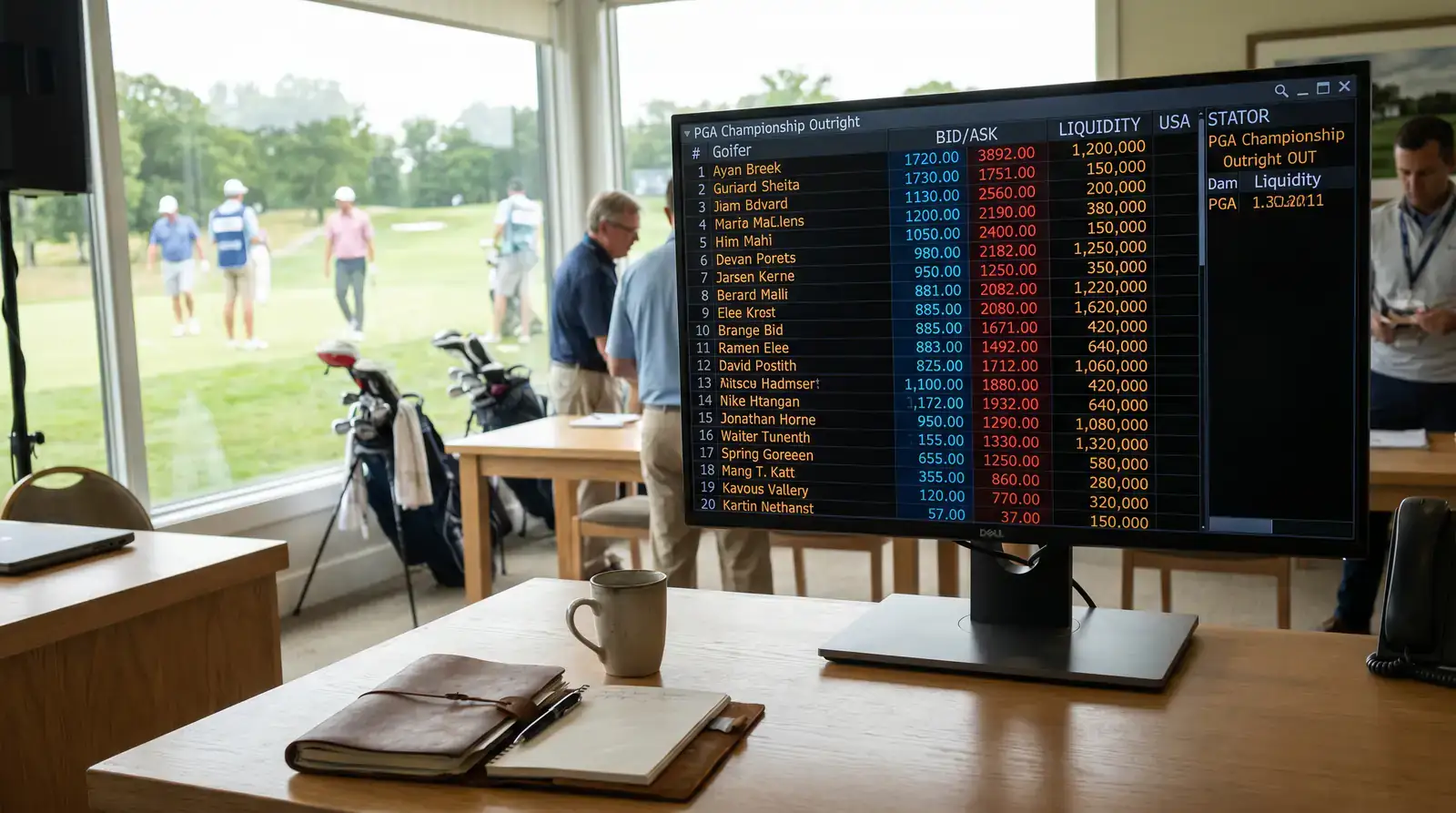
Between-round trading is the cleanest form. After each round, the leaderboard reshuffles and odds adjust significantly. A player who shoots 64 in round one might see his outright price halve, creating a green-up opportunity that did not exist 18 holes earlier. I often enter positions late on Wednesday evening at pre-tournament prices and reassess after Thursday’s round, deciding whether to hold, green up partially, or close entirely.
In-round trading is faster and riskier. Odds move hole by hole, and a birdie streak can compress prices rapidly. The danger is closing a position too early — greening up after a player birdies three of his first five holes only to watch him birdie the next four and see his price collapse further. Conversely, holding too long and watching the price drift back after a bogey stretch erases the unrealised profit. The discipline is knowing when enough is enough and accepting that leaving money on the table is a feature of good trading, not a failure.
Exchange vs Bookmaker: Which Is Better for Live Golf Bets
I maintain accounts on both an exchange and two traditional bookmakers, and I use them for different purposes. The exchange is better for certain things; the bookmaker is better for others. The idea that one is universally superior is a myth perpetuated by people who use only one.
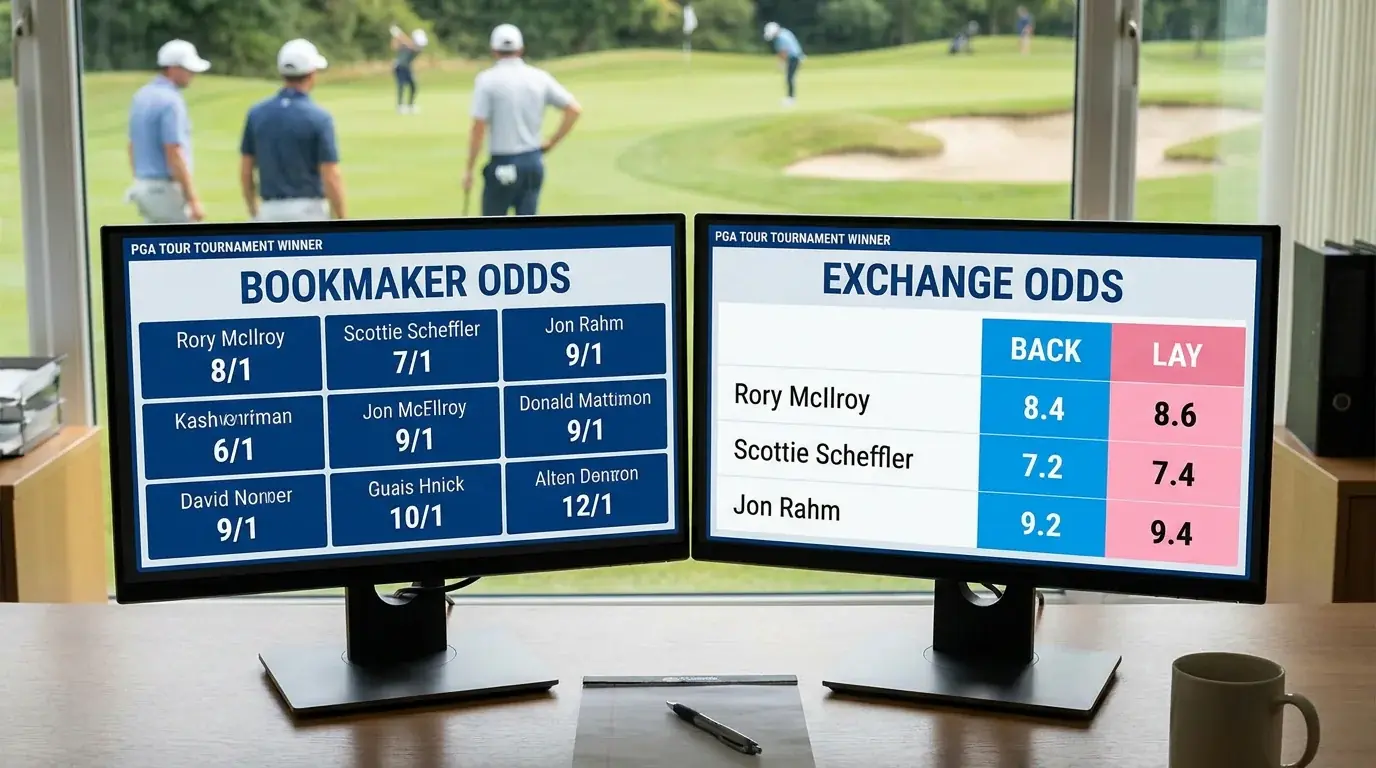
Exchanges offer better odds on outright markets — the absence of a bookmaker margin means the true probability is priced more accurately, and the commission structure is typically cheaper than the overround built into bookmaker prices. The ability to lay gives you strategic flexibility that a bookmaker cannot match. And trading positions in-play is an entirely different activity from simply placing bets and hoping — it introduces a skill dimension that rewards market reading and timing.
The weakness of exchanges for golf is liquidity. Football exchanges attract enormous volume, which means tight spreads and instant matching. Golf exchanges are thinner. On a major championship, liquidity is reasonable — you can get matched on most outright positions without difficulty. But on a mid-season PGA Tour event, you might offer a price and wait hours for a match, or find that the available prices have wide gaps between the best back and lay odds. That spread is effectively a hidden cost: if the back price is 18/1 and the best lay is 14/1, the four-point gap limits your ability to trade efficiently.
Bookmakers win on execution speed and market range. An in-play bet with a bookmaker is confirmed in seconds with guaranteed odds at the moment of acceptance. On an exchange, your order sits in the queue until someone matches it — which might happen instantly in a liquid market or not at all in a thin one. Bookmakers also offer a wider range of golf markets: top-finish, match-ups, props, hole-by-hole. Exchanges typically limit golf to outrights and occasionally match-ups, which restricts the types of in-play activity available.
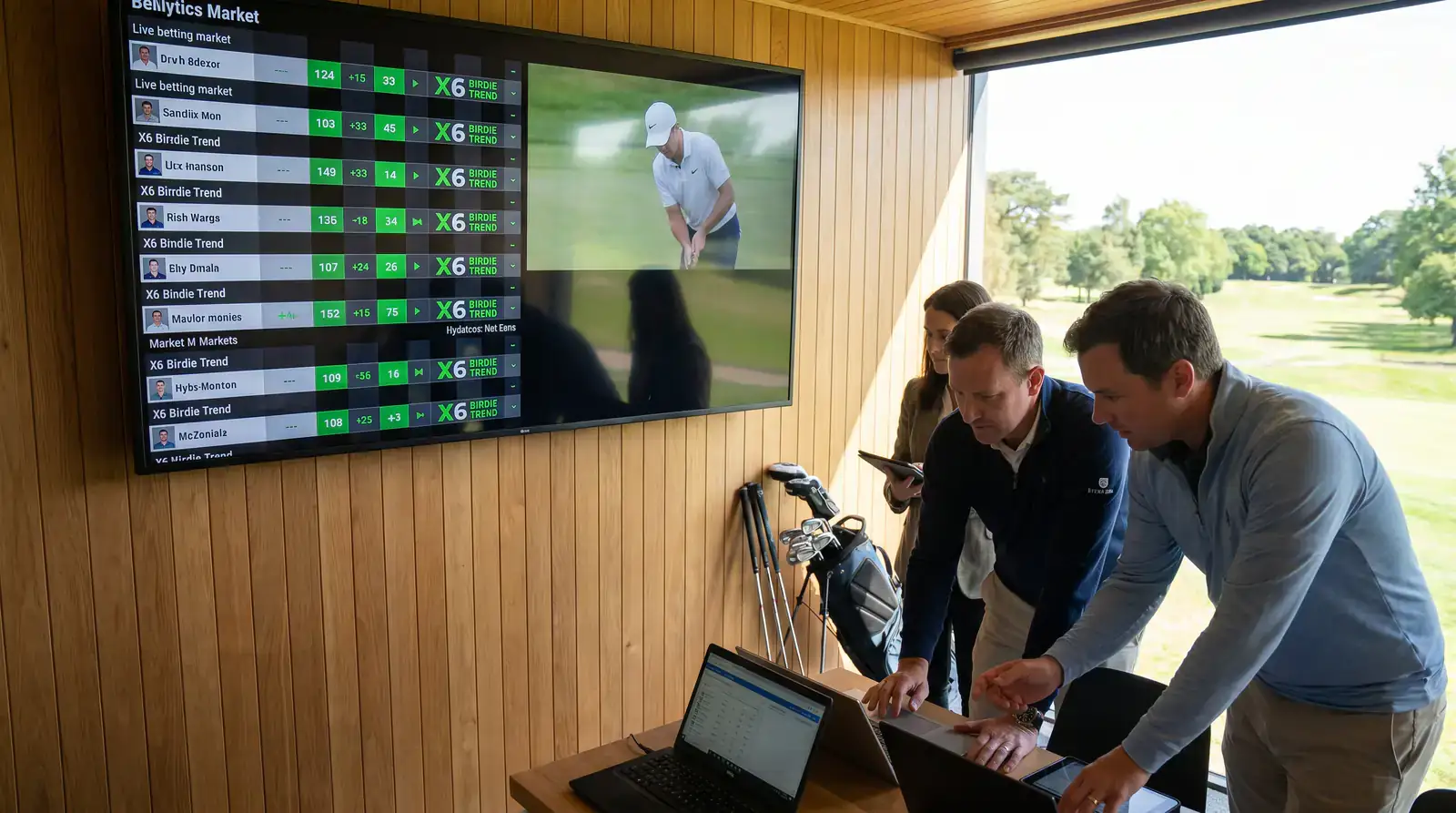
My approach: use the exchange for outright positions where the odds advantage is clear and the liquidity is sufficient, and use the bookmaker for in-play bets on specialist markets where speed of execution matters more than marginal odds improvement.
Frequently Asked Questions
Is there enough liquidity on golf exchanges for live betting?
Liquidity varies by event. Major championships and high-profile PGA Tour events attract sufficient volume for most back and lay positions to be matched promptly. Mid-season events and DP World Tour tournaments tend to have thinner markets, which can result in wider spreads and slower matching times.
How does exchange commission affect golf betting returns?
Exchange commission — typically 2-5% on net winnings per market — reduces your profit on winning bets but does not apply to losing ones. Even after commission, exchange odds on golf outrights are usually better than equivalent bookmaker prices because there is no built-in margin. The commission rate matters most for frequent traders who green up regularly.
Exchanges Add a Dimension That Bookmakers Cannot
I do not think every golf bettor needs an exchange account. If your approach is to back a player each week and see how it plays out, a bookmaker does the job. But if you want to trade positions, manage risk in-play, or lay players you believe the market has overvalued, an exchange is the only platform that makes those activities possible. The learning curve is real — my accidental lay in 2018 proved that — but the strategic depth it unlocks is worth the initial confusion. Start small, understand your liability on every lay, and treat the exchange as a marketplace where both sides of every bet carry their own logic.
Written by the editors at Live Golf Betting.